Book Appointment Now

Does Physical Therapy Treat Temporomandibular Joint (TMJ) Disorders?
There is no denying the fact that physical therapy is a viable form of treatment and is used as a first-line treatment for a number of injuries and disorders. Many people wonder whether it treats temporomandibular joint disorders or not. This article answers the question: Does Physical Therapy treat Temporomandibular Joint (TMJ) Disorders? Stay tuned to know the answer.
Physical therapy treats temporomandibular joint (TMJ) disorders effectively as a conservative, first-line approach for many patients. It is used to reduce pain and improve jaw function and mobility. PT is effective for many patients with myogenous or mixed TMD and can complement dental care, medications, or behavioral interventions.
Understanding TMJ Disorders

Temporomandibular disorders (TMDs or TMJ disorders) encompass conditions affecting the temporomandibular joint, masticatory muscles, and related structures. Common symptoms include jaw pain, limited or painful mouth opening, clicking, popping, headaches, ear symptoms, and muscle tenderness.
The causes of TMJ disorders are multifactorial. They include muscle overuse or tension (myogenous), joint issues (arthrogenous), disc displacement, trauma, posture, stress, bruxism, or combinations, and often involve the cervical spine due to biomechanical links.
Symptoms of Temporomandibular Joint (TMJ) Disorders
TMJ dysfunction refers to a group of conditions affecting the jaw joint and the muscles that control jaw movement. Symptoms vary widely in type, severity, and duration. Some people experience mild, temporary issues, while others have chronic or more disruptive problems. Symptoms can affect one or both sides of the face and may come and go.
Common Symptoms
The most frequent symptoms include:
- Pain or tenderness in the jaw, jaw joint (just in front of the ear), face, or around the ear. This is often the primary symptom and may feel like a dull ache that worsens with chewing, speaking, or yawning.
- Aching facial pain.
- Difficulty or pain while chewing or biting.
- Limited jaw movement or difficulty opening the mouth fully.
- Jaw locking. The jaw may get stuck in an open or closed position.
- Clicking, popping, or grating sounds (crepitus) when opening or closing the mouth or chewing. Note that painless clicking is common and often does not require treatment
- Headaches, including migraine-like headaches, often around the temples.
- Ear-related symptoms, such as earache, a feeling of fullness or pressure in the ear, or ringing in the ears without an actual ear infection.
How Physical Therapy Helps TMJ Disorders?
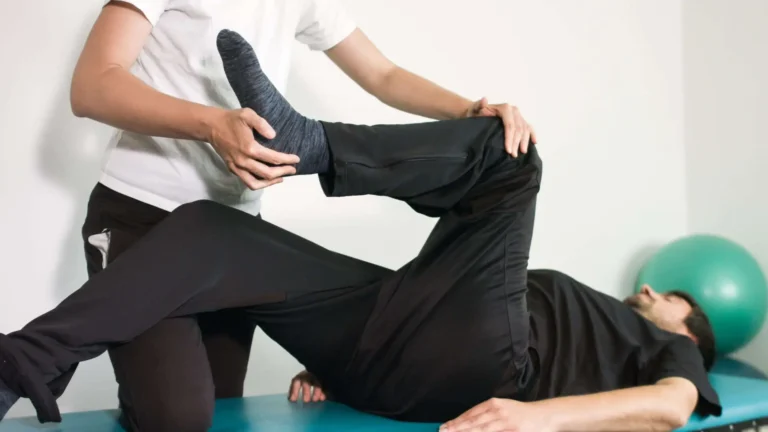
Physical therapists assess jaw range of motion, muscle tenderness, joint sounds, posture especially head and neck, and contributing factors like cervical dysfunction. Treatment is typically multimodal and individualized.
Conservative, non-invasive care is preferred initially over irreversible procedures. Physical therapy fits this category and is widely used to address pain, restore mobility, reduce muscle hyperactivity, improve posture, and enhance function.
1. Manual Therapy: Joint mobilizations, manipulations, soft-tissue techniques, and trigger-point therapy for the TMJ, masticatory muscles, and cervical region. These aim to improve joint mobility, reduce muscle tension, and modulate pain.
2. Therapeutic Exercise: Jaw mobility and coordination exercises, stretching, strengthening, motor control, and postural training, including cervical core or Rocabado-style protocols. Home exercise programs are common for longer-term gains.
3. Other Modalities: Low-level laser therapy (LLLT), sometimes TENS, ultrasound, or education and relaxation components. Cervical-focused interventions, including mobilization and exercise, often help because of referred pain and shared neuromuscular pathways.
4. Education and Self-Management: Education and self-management form a foundational, non-invasive component of physical therapy. These strategies empower patients to understand their condition, reduce aggravating factors, manage symptoms independently, and support long-term recovery. They are often part of “usual care” and receive strong recommendations in major guidelines.
- Sessions may last weeks, with progress monitored via pain scales such as VAS/NRS, maximum mouth opening (MMO), pressure-pain thresholds, and functional questionnaires.
When to Consult a Physical Therapist?
Consult a physical therapist (PT) for TMJ dysfunction (TMD) when symptoms persist, interfere with daily function, or do not improve sufficiently with basic self-care. Physical therapy is widely regarded as a conservative, first-line treatment for many cases of TMD, particularly those involving muscle tension, joint mobility issues, posture, or related neck problems.
Conclusion
It has come to the fore that Physical therapy does treat TMJ disorders and is supported as an effective conservative option for reducing pain, increasing jaw mobility, and improving function in many adults with TMD. Current evidence positions PT as a valuable, low-risk pillar of care, often alongside other conservative strategies.
Individuals experiencing TMJ symptoms should consult qualified healthcare providers for personalized assessment and a tailored plan. Those in and around Jammu must visit Dr Gaurav Vaid at Swasthya Shashtra in Gandhi Nagar, Jammu, for personalised and tailored treatment.