Book Appointment Now

Does Physical Therapy Treat Spinal Cord Injuries?
Physical Therapy has evolved so much in the last 3 decades that it is also known as essential therapy in present times. This is one of the most emerging healthcare treatments, as it uses manual therapy, Neuroplasticity, heat treatment, and various exercises rather than using medicine or surgery. It also plays a pivotal role in Spinal cord injury rehabilitation. Spinal cord injury may impact your senses, motor function, blood circulation, and other body functions as well.
Spinal cord injury(SCI) is damage to the spinal cord or the delicate nerve tissues within it. This damage can be caused by various reasons such as sports injuries, accidents, diseases, fractures, or spinal cord compression. Some people experience severe muscle weakness, and others may have lifelong mobility issues. The question remains: Does Physical Therapy treat Spinal Cord injuries? Let’s find out.
Importance of Physical Therapy To Treat Spinal Cord Injury
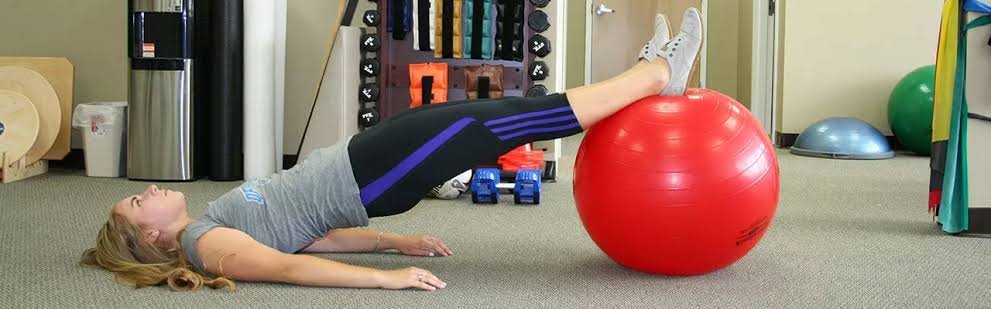
The importance of Physical Therapy to treat spinal cord injury can be summed up as under:
- Neuroplasticity: It works by retraining the nervous system, where the brain rewires and builds its neural pathways.
- Improved Respiratory Function: Special breathing exercises, chest physiotherapy, and thoracic expansion techniques are used to clear and expand lung capacity. This is mostly used in high cervical or thoracic injuries, which often weaken the chest muscles.
- Gait and Walking Training: This training helps to improve walking patterns and speed using treadmills,body-weight support systems, or assistive devices like walkers and canes.
- Strengthening Residual Muscles: Customised plans are made by therapists to help patients build strength in partially paralyzed or non-paralyzed muscles.
- Regular Mobility: Regular movement and special stretches lower the risk of severe complications such as deep vein thrombosis (blood clots), bed sores (pressure ulcers), muscle contractures, and severe joint stiffness.
- Restoring Mobility: Recommended physical therapy trains patients in vital daily life skills, such as bed mobility, sitting balance, wheelchair maneuvers, and transferring from a bed to a chair.
Key Stages of Spinal Cord Injury Rehabilitation via Physiotherapy
Key stages of spinal cord injury rehabilitation via physiotherapy can be explained as:
1. Acute Phase (Immediate/In-Hospital): In this stage, the entire focus is on medical stabilization, gentle passive movements, breathing drills, and frequent position changes to ensure steady blood flow and prevent stiffness.
2. Subacute Phase (Active Rehabilitation): In this stage, the patient is being transitioned to core strengthening, balance drills, joint flexibility, and learning functional transfer skills.
3. Long-Term Recovery: This is the final stage of SCI rehabilitation, which focuses on community integration, endurance building, advanced mobility drills, and maximizing lifelong independence.
Physical Therapy Techniques Used to Treat Spinal Cord Injury
Physiotherapy does not reverse the structural damage of the spinal cord, but it definitely plays a crucial role in spinal cord injury rehabilitation. Let’s walk through the techniques that are being used to treat this problem.
Strength and Resistance Training
This technique uses customized exercises targeted at partially paralysed or non-paralyzed muscles to help regain strength, maintain muscle mass, and perform daily activities.
Orthostatic Training
It is a therapeutic method used to treat conditions like vasovagal syncope (fainting) and postural orthostatic tachycardia syndrome (POTS) by helping the body adapt to upright posture and gravity.
Functional Electrical Stimulation (FES)
This one imparts low-level electrical impulses to motor nerves using computer technology to force contractions in paralyzed muscles, helping with movements like cycling, walking, or arm activation.
Cardiovascular and Fitness Training
It improves endurance, heart rate, and lowers the risk of cardiovascular disease by utilizing techniques such as arm cranking, hand cycling, and circuit training.
Locomotor and Gait Training
It works by retraining walking patterns using body-weight-supported treadmills, specialized leg braces (such as Knee-Ankle-Foot Orthoses or Reciprocating Gait Orthoses), and robotic systems in incomplete Spinal cord injuries.
Respiratory Therapy
It basically uses deep breathing exercises, inspiratory muscle training, abdominal binders, and assisted coughing techniques to improve lung capacity and clear secretions.
Mobility and Transfer Training
It focuses on daily movement skills, sitting balance, including bed mobility and independent transfers (such as getting up from the bed and sitting on the couch.
Range of Motion and Contracture Management
This technique involves passive or active stretching, serial casting, and careful positioning to restore joint flexibility and prevent tissue shortening.
Conclusion
In short, Physiotherapy is the foundational medical rehabilitative recovery pillar in managing and restoring maximum strength in patients with Spinal cord injury. It also helps in preventing severe complications and regaining independence. Specialized healthcare professionals, also known as physiotherapists, design and implement the necessary interventions that may result in maximum participation to provide the patient with an effective SCI rehabilitation program.
Those who are looking for such a physiotherapist can visit Dr Gaurav Vaid at Swasthya Shastra in Gandhi Nagar, Jammu, for personalised and tailored physical therapy treatment for spinal cord injuries.
For further queries, please reach out to Dr. Gaurav Vaid or Swasthya Shastra.