Book Appointment Now
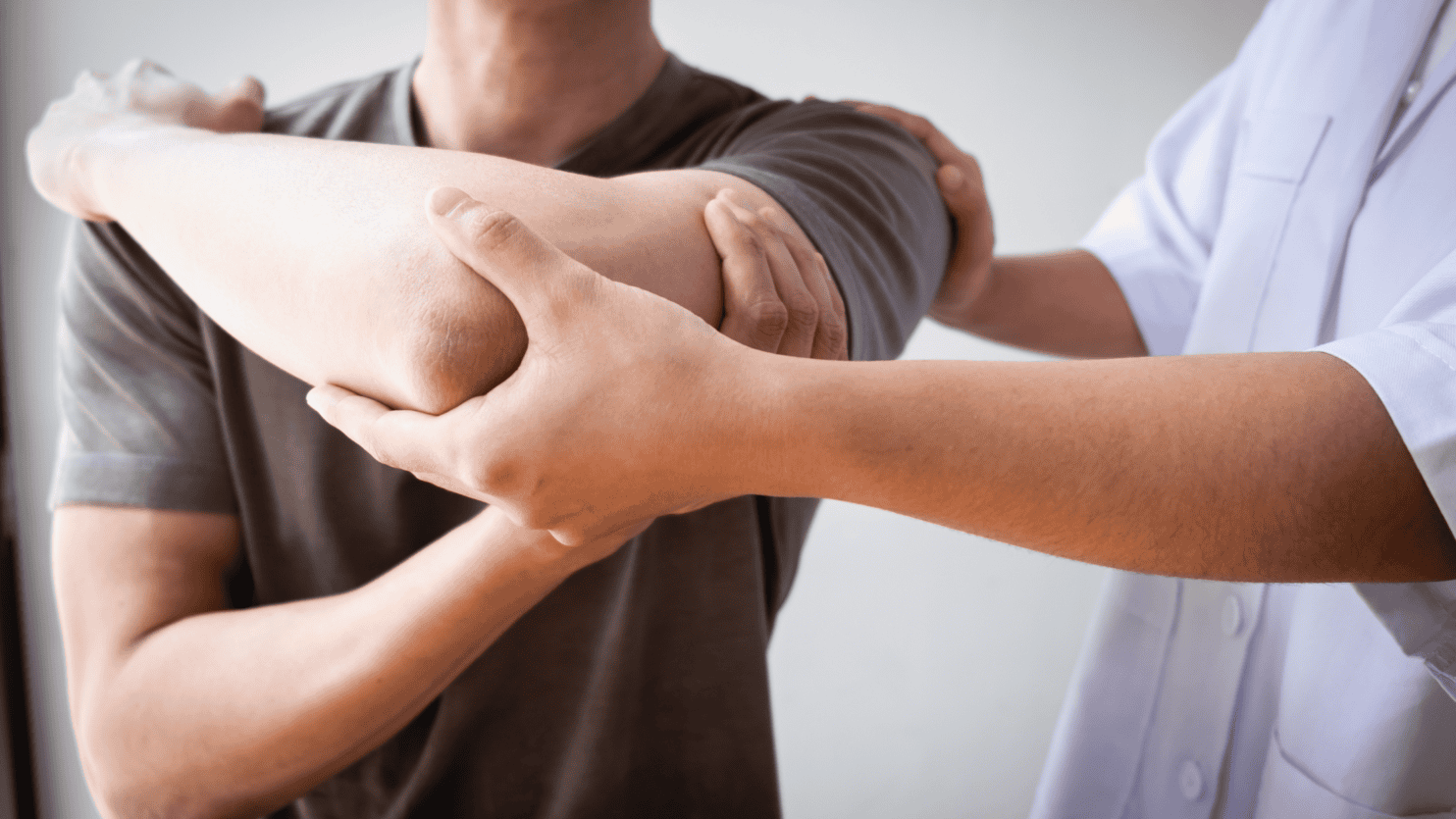
Does Physical Therapy Treat Rotator Cuff Tears?
Physical therapy emerged as a viable form of medical treatment through a gradual process of professionalization. Today, physical therapy is widely accepted as a first-line or complementary treatment for a broad range of conditions. Does physical therapy treat rotator cuff tears? This article answers this question. Stay connected.
Physical therapy is quite helpful for many people with rotator cuff tears, especially as a first-line treatment. It reliably reduces pain, improves range of motion, strength, and daily function in a large proportion of patients, and allows a majority with certain types of tears to avoid surgery.
How Does Physical Therapy Help?
Physical therapy (PT) is a standard and effective treatment for many rotator cuff tears. It delivers the best results for partial-thickness tears, smaller full-thickness tears, atraumatic (degenerative) tears, and cases where surgery is not immediately indicated or preferred.
It focuses on reducing pain and inflammation, restoring range of motion, strengthening the rotator cuff and surrounding muscles, improving posture and movement mechanics, and enhancing overall shoulder function.
While PT does not typically “heal” or reattach a full-thickness tear anatomically, many patients achieve substantial symptom relief and functional recovery by compensating with improved muscle recruitment and control
When PT is Typically Recommended?
Physical therapy is typically recommended as the first-line or primary treatment in many cases of rotator cuff tears, especially when the goal is non-operative management of symptoms and function.
Common Situations Where PT is Recommended First
The common situations where PT is recommended first can be summarised as under:
1. Partial-Thickness Tears: For those with low- or intermediate-grade tears, PT is the standard initial approach and often sufficient.
2. Small-to-Medium full-thickness tears: Both PT and surgery lead to significant improvements in patient-reported outcomes. PT is a strong option, particularly for atraumatic (degenerative) tears.
3. Atraumatic/Degenerative or Chronic Tears: These are common in middle-aged and older adults. PT is preferred when there is preserved active motion, tolerable weakness, and manageable pain. Many patients improve enough to avoid surgery long-term.
4. Lower-Demand Patients or Those With Comorbidities: When surgical risks are higher due to age, medical conditions, or healing concerns, or when functional demands are modest.
5. Massive or Irreparable Tears: This is in select cases. Even these can improve with focused rehab for pain and function in older or lower-demand individuals, though success rates vary.
6. Patient preference: When someone wants to try non-surgical options first, provided symptoms are not severely limiting.
Factors That Influence the Recommendation
Clinicians weigh multiple elements before recommending PT as the primary approach. Here are the factors that influence the recommendation:
- Tear characteristics. It includes the size, thickness, location, acuity, and tissue quality on MRI or ultrasound.
- Patient age, overall health, and healing potential.
- Current pain levels, night pain, strength deficits, and functional limitations.
- Activity and occupational demands.
- Response to any prior conservative care.
- Patient goals and preferences.
Note: Shared decision-making between the patient, physician, and physical therapist is essential.
Expected Outcomes and Success Rates
Many patients experience meaningful reductions in pain and improvements in function with PT alone. For atraumatic full-thickness tears, structured programs have allowed approximately 70–75% of patients to avoid surgery at two-year and even longer follow-up.
Partial-thickness tears generally show even higher rates of successful non-operative management. Results depend heavily on adherence to the exercise program and individual factors.
Limitations and Monitoring Considerations
PT does not typically close or “heal” a full-thickness tear. Tear size, muscle atrophy, or fatty infiltration can progress over years in some patients managed non-operatively.
Regular clinical follow-up and occasional repeat imaging is advised, especially for larger tears. Night pain that persists or progressive weakness should prompt earlier reassessment.
Conclusion
In conclusion, Physical therapy is accepted as a first-line or complementary treatment for rotator cuff tears. PT remains essential both before the operation to optimize the shoulder and afterward to restore motion, prevent stiffness, and rebuild strength. Postoperative protocols are tailored to tear size, repair quality, and tissue healing timelines.
The decision to begin with physical therapy should always be individualized after a thorough evaluation by a physician, ideally with input from a physical therapist. Visit Swasthya Shastra Gandhi Nagar in Jammu for personalised and tailored guidance. Dr Gaurav Vaid and his team of professionals will guide you and ensure you get the best treatment for the same.