Book Appointment Now
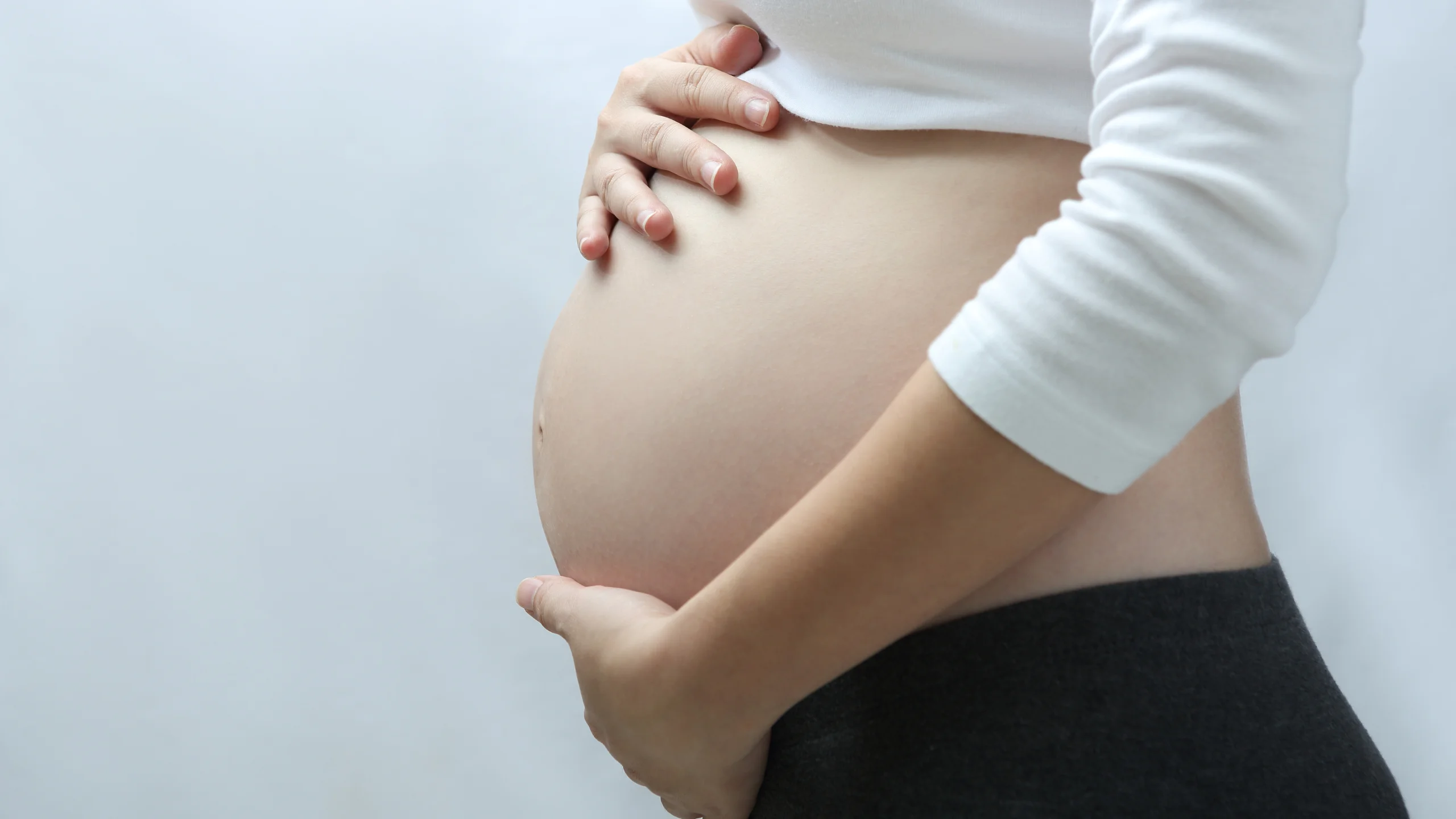
Osteopathy During Pregnancy: Benefits and Safety
Osteopathy is a form of manual therapy that focuses on the musculoskeletal system. It is performed by using gentle hands-on techniques to improve mobility, reduce tension, and support the body’s natural function. Osteopathy during pregnancy is commonly sought for relief from discomfort caused by significant physical changes.
It is important to consult a qualified Osteopath. Make sure it is performed by an experienced and qualified Osteopath, the one who specialises in parental care. Those in and around Jammu can visit Swasthya Shastra, Gandhi Nagar, Jammu, where a team of qualified Osteopaths is led by Dr Gaurav Vaid.
Is Osteopathy Safe During Pregnancy?
Yes, Osteopathy is generally considered safe throughout all trimesters of pregnancy. Techniques are adopted to be gentle, non-invasive, and tailored to the mother’s stage of pregnancy. High velocity thrusts and forceful manipulation are avoided.
Osteopathy sessions usually involve soft tissue work, gentle joint mobilisation, stretching, and positioning adjustments. It is drug-free and does not involve medications. It is a popular and viable complementary option. However, it is important to visit a qualified and experienced Osteopath for the same.
Studies, including the PROMOTE trial (Pregnancy Research on Osteopathic Manipulation Optimizing Treatment Effects), have found osteopathic manipulative treatment (OMT) to be safe in the third trimester.
Important Precautions
- Always consult your obstetrician, midwife, or healthcare provider before starting treatment. Consultation is all the more important if you have a high-risk pregnancy, a history of preterm labour, or other medical conditions.
- Choose a practitioner with specific training and experience in pregnancy osteopathy.
- In rare cases, certain techniques may be modified or avoided. For example, in the first trimester, if there is any bleeding or cramping, gentle approaches are usually fine.
Osteopathy during pregnancy might have certain minor side effects, such as temporary soreness or fatigue. They are similar to those in non-pregnant individuals and usually resolve quickly. Serious adverse events are unit commonly reported in the literature for adapted parental Osteopathy.
Also, read Total Body Wellness Through Osteopathy: Understanding the Holistic Approach
Key Benefits of Osteopathy During Pregnancy
Osteopathy aims to help the body adapt to pregnancy-related changes and may provide relief for common issues. Here are some key benefits of Osteopathy during pregnancy:
Musculoskeletal Pain Relief
When it comes to musculoskeletal pain, Osteopathy is a viable option to go for. It is quite effective for lower back pain, pelvic girdle pain, sciatica, and neck or shoulder pain. OMT has shown improvements in pain scores and back-related functioning in the third trimester compared to usual care alone.
Improved Mobility and Posture
Osteopathy helps with improved mobility and posture. It does away with the stiffness. Osteopathy helps address the forward shift in the centre of gravity, rib cage changes, and joint stability. During pregnancy, women often face mobility and posture-related issues, which make daily movement difficult. Osteopathy in such a situation is an option to consider.
Preparation for Labour and Birth
Osteopathy helps in preparation for labour and birth. Many support pelvic alignment and mobility, potentially aiding optimal fetal positioning and easing the birth process. Some women report better overall comfort leading up to delivery.
Other Discomforts
Preliminary evidence suggests potential help with nausea, constipation, gastroesophageal reflux, oedema, headaches, and breathing difficulties, though more research is needed for these non-pain symptoms.
Overall Well-Being
Many women describe physical relief alongside mental health benefits, such as reduced stress, better sleep, and a sense of support during a transformative time. Potential benefits such as a recovery birth are also commonly reported.
Note: Evidence quality varies. Some studies support benefits for pain and function, while others note that more high-quality research is needed for broader claims. Osteopathy is often viewed as a complementary therapy alongside parental care, exercise, and other supports like physiotherapy.
What to Expect in a Session
A parental Osteopathy appointment typically starts with a detailed history and a gentle assessment. Treatment is customised. A session generally lasts 30 to 60 minutes. The main focus is on comfort. Frequency depends on individual needs. Some attend weekly in later trimesters, others join as and when needed.
Osteopathy differs from Chiropractic care in its holistic approach, considering the whole body, including viscera and circulation, versus chiropractic’s primary emphasis on spinal adjustments. Both can be safe in pregnancy when adapted, but techniques and philosophies vary.
Conclusion
In conclusion, Osteopathy offers a natural, hands-on way to manage the physical demands of pregnancy for many. Osteopathy has a strong profile when done appropriately. It is widely regarded as safe across all trimesters, with clinical trials. However, it is important to note that Osteopathy should always serve as a complementary therapy, not as a replacement for standard prenatal medical care.
If you are experiencing significant pain or other symptoms, discuss options with your healthcare team to create a well-rounded plan. You can visit Dr Gaurav Vaid’s clinic, Swasthy Shastra, located at Gandhi Nagar, Jammu, for personalised and curated Osteopathy sessions. An able team of experts will guide you through and ensure the best results are derived.
For further queries, please reach out to Dr. Gaurav Vaid or Swasthya Shastra.