Book Appointment Now
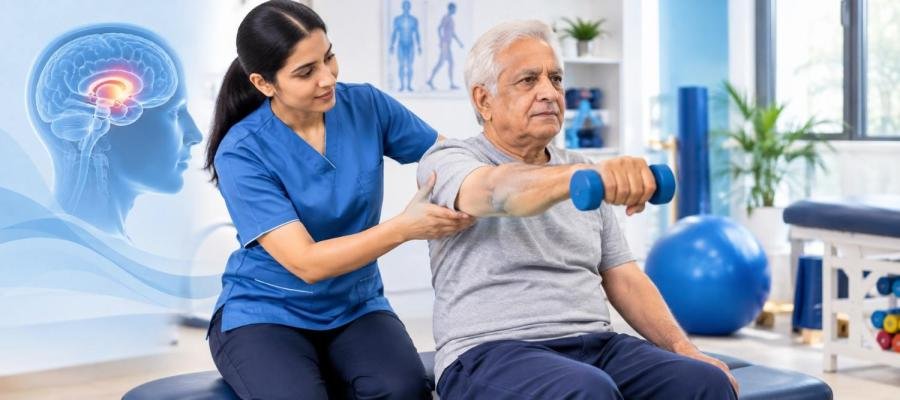
Does Physical Therapy Treat Parkinson’s Disease?
Parkinson’s disease is a chronic neurodegenerative disorder that affects the CNS (Central Nervous System), even with the best medical treatments, it gets worse over time. There are various medical and non-medical interventions used to treat this serious condition, among them, physical therapy is an evidence-based practice that helps manage Parkinson’s disease symptoms effectively by restoring movement, balance, and preventing the risk of falls.
Parkinson’s disease affects an individual’s movement, balance, and overall functional independence, causing symptoms such as freezing, tremors, feeling unsteady, and shuffling steps. Along with other medical treatments, Physical Therapy plays a pivotal role in helping ailing patients enjoy their lives by significantly helping them manage their Parkinson’s disease symptoms.
Key Role of Physical Therapy in Treating Parkinson’s Disease
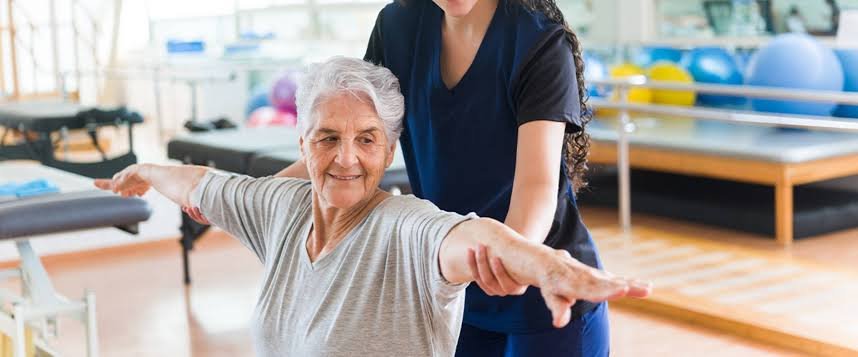
Regular tailored Physical Therapy programs help patients achieve realistic goals. It helps you stay safe while moving. Let’s explore the benefits of physiotherapy used to treat Parkinson’s disease.
1. Walking Improvement: A regular gait training program helps correct shuffling steps, enhances stride length and speed, and uses visual or rhythmic cues to help combat freezing episodes.
2. Enhances Large Movement (Big Movements Specialised training programs such as LSVT BIG training help retrain the brain’s signaling pathways and slow down the Hypokinesia progression.
3. Maintains Balance: Tailored agility drills, balance exercises, and reaction time training enhance stability and prevent the risk of falls.
4. Posture Correction/Flexibility: Targeted stretching and postural exercises focus on tight hip flexors, hamstrings, and calves and help correct the stooped posture, along with easing back pain.
5. Maintains Strength and Aerobic Capacity: Regular strength and aerobic training maintains muscle power, reduces fatigue, and increases VO₂ (the maximum amount of oxygen your body can use during intense exercise).
6. Increased Neuroplasticity: Regular structured exercises, along with physical therapy, help enhance neuroplasticity and slow down disability progression.
Key Physical Therapy Techniques Used to Treat Parkinson’s Disease
According to studies, incorporating regular exercise for at least 150 minutes a week of mild to moderate activity can help manage Parkinson’s disease symptoms significantly. Physical Therapy cannot stop the degeneration of neurons, but yes it definitely slows down Parkinson’s disease progression.
Specialised physiotherapists prescribe tailored and structured training programs to manage Parkinson’s disease symptoms effectively. These techniques are listed below.
LSVT BIG Training
This is a special form of training program for Parkinson’s disease. It helps individuals with Parkinson’s disease to make over-exaggerated physical movements like arm swings by retraining the muscles and slowing down the progression of hypokinesia (decreased or abnormally slow bodily or cardiac movement.
Cueing Strategies (Visual, Auditory, and Tactile)
Cueing is one of the most important rehabilitation techniques used to treat Parkinson’s disease. It helps break freezing episodes. It improves parameters such as stride length and gait speed during visual, auditory, and tactile cues.
Strength Training
Muscle weakness is a major problem in Parkinson’s disease. Physiotherapists suggest customised resistance training exercises as per the patient’s requirements to help them restore muscle strength. They also use pool-based exercises, where they use water resistance to strengthen muscles.
Stretching/Flexibility Exercises
Parkinson’s disease patients usually experience stiffness of the hip flexors, hamstrings, and calf muscles. Physiotherapists suggest stretching at frequent intervals throughout the day to counteract the tightness.
Balance Training
Parkinson’s disease significantly impacts the body’s balance system, leading to an unstable gait, which induces fear of falling in public. Tailored balance exercises are prescribed by physiotherapists to help you balance and prevent the risk of falls.
Reciprocal Pattern
Parkinson’s disease can disrupt the reciprocal movements (side-to-side and left-to-right actions of the body). It helps you reinforce reciprocal patterns by the use of a recumbent bicycle (a stationary bike in which you sit in a reclined position) or an elliptical machine (in which you use your arms and legs), and also uses rhythm and cues and gait drills to combat this problem. Dance classes and tai chi are also useful.
Aerobic Training
Mild to high-intensity aerobic training workouts such as cycling, swimming, and walking improve your heart fitness. It enhances neuroplasticity and supports neuroprotection.
Conclusion
In a nutshell, we can say that physical therapy cannot cure Parkinson’s disease, but it can definitely manage Parkinson’s disease symptoms effectively. It also slows the progression of this serious condition. Physical therapy, when paired with neurology care, gives the most substantial results in restoring mobility, gait retraining, enhancing neuroplasticity, and boosting confidence through overall improvement in ailing patients.
Swasthya Shastra Physiotherapy Clinic in Jammu is a strong option to consider for physical therapy support in managing Parkinson’s disease. Under the guidance of rehabilitation specialists such as Dr. Gaurav Vaid, the team emphasizes compassionate, individualized treatment plans that can help address common Parkinson’s challenges like stiffness, balance problems, gait difficulties, reduced strength, and fall risk.
For further queries, please reach out to Dr. Gaurav Vaid or Swasthya Shastra.