Book Appointment Now
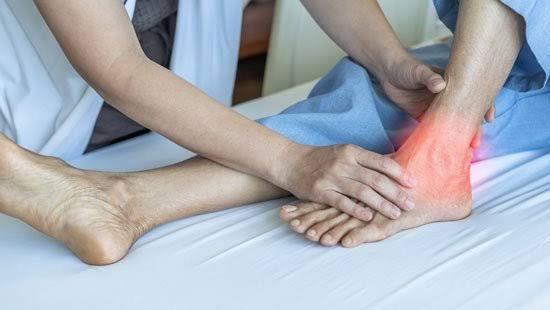
Does Physical Therapy Treat Tendinopathy, Including Tendinitis?
Tendinopathy is common, especially among athletes, active people, and older adults. Military service members and certain occupational groups who are used to repetitive work also show elevated rates of Tendinopathy. Since Physical Therapy is used to treat many musculoskeletal problems, does Physical Therapy treat Tendinopathy, including Tendinitis? Let us find out the answer to this question and more. Stay tuned.
Tendinopathy is an umbrella term for tendon disorders involving pain, impaired function, and structural changes. It encompasses tendinitis, typically the more inflammatory and acute phase, and tendinosis, degenerative changes more common in chronic cases. PT addresses both through conservative, non-surgical approaches.
How Physical Therapy Treats Tendinopathy and Tendinitis?
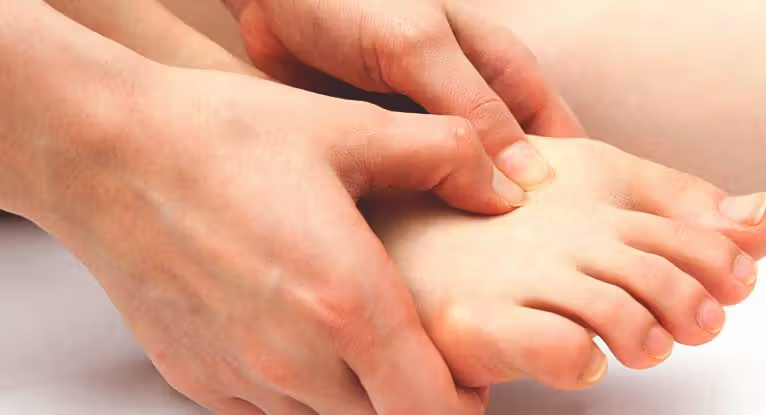
Physical therapy treats tendinopathy, including tendinitis, primarily through progressive tendon loading exercises, load management, education, and targeted adjuncts. The core goal is to restore the tendon’s capacity to tolerate mechanical stress, reduce pain, improve function, and prevent recurrence.
Treatment is individualized based on the specific tendon. Here are common techniques and methods used by a physiotherapist to treat Tendinopathy and Tendinitis:
1. Assessment and Education: A physical therapist evaluates pain triggers, strength, mobility, movement patterns, biomechanics, and activity history.
Patient education covers the condition, pain monitoring, realistic timelines, and self-management strategies. Education is typically combined with exercise.
2. Load Management & Activity Modification: Reduce or modify aggravating activities while avoiding complete rest. It can weaken the tendon. Identify and correct contributing factors such as poor ergonomics, running form, and training errors. Temporary use of braces, taping, or orthotics may help offload the tendon in some cases.
3. Progressive Tendon-Loading Exercise: Exercise is the first-line intervention with the strongest support. It stimulates tendon adaptation through controlled mechanical loading. Programs typically progress over 8 to 16+ weeks and are performed at the highest load tolerated. The exercise program often starts with mild-to-moderate pain allowed during or after sessions if it does not escalate.
Exercises target the affected tendon and surrounding muscles for overall kinetic chain strength and control. Frequency is often 3 times per week at a high tolerated intensity. Supervised programs tend to yield better adherence and outcomes than unsupervised ones.
4. Manual Therapy and Other Techniques: Soft tissue mobilization, joint mobilizations, or massage may address mobility deficits, reduce muscle tightness, or improve movement quality. Dry needling is sometimes used.
Modalities, Extracorporeal shockwave therapy (ESWT) for some refractory cases; low-level laser therapy (LLLT) for short-term pain and function in select situations are offered to patients. Therapeutic ultrasound or standalone passive modalities generally have weaker support and are not recommended as primary treatment.
How Effective is Physical Therapy for Tendinopathy?
Physical therapy, primarily exercise-based interventions, is generally effective for tendinopathy, producing meaningful improvements in pain, function, and disability for common sites. It is safe, with high patient satisfaction, though evidence quality is frequently low or very low due to study limitations, and responses vary.
Results are site-specific to some degree, so tailored programs work best. Physical Therapy is a highly effective conservative treatment for tendinopathy.
When to Consult Physical Therapy for Tendinopathy?
Consult a physical therapist (PT) early for tendinopathy, ideally soon after symptoms begin or if they persist beyond brief self-management, because progressive exercise and load management form the cornerstone of effective first-line treatment.
1. Early consultation is preferred: Tendinopathy responds best to guided tendon-loading exercises. Delaying can allow symptoms to become more chronic and harder to resolve.
2. After initial self-care fails to improve symptoms promptly: Try short-term measures such as activity modification. If pain, stiffness, or functional limits continue beyond a few days to 1 to 2 weeks or interfere with daily activities, work, or sports, seek PT evaluation.
3. When function is limited, or pain is significant: See a PT promptly if you have difficulty with walking, gripping, lifting, overhead activities, sports participation, or other essential tasks, or if symptoms are moderate-to-severe.
4. For athletes or active individuals: Early PT helps with sport-specific load management, progressive return-to-play planning, and addressing contributing factors such as biomechanics and training errors. Return-to-sport timelines often range from weeks to many months depending on severity and response.
Conclusion
In conclusion, Physical Therapy is a viable form of treatment for Tendinopathy, Including Tendinitis. Most people improve significantly with consistent PT. Early intervention generally leads to better results.
Outcomes vary by individual factors such as adherence, symptom duration, supervision, and coexisting impairments. Start with a qualified physical therapist experienced in musculoskeletal or sports conditions for the best results. Those in and around Jammu must visit Swasthya Shastra in Gandhi Nagar, Jammu, for personalised and tailored care.