Book Appointment Now
The Osteopathic Approach to Posture Correction
The Osteopathic approach to posture correction emphasises the body’s interconnected structure and function. Osteopathy treats the whole person rather than isolated symptoms. Osteopathic physicians (DOs) and Osteopaths view poor posture as a result of somatic dysfunction. It includes imbalances in muscles, joints, fascia, and connected tissues. It addresses issues that can stem from habits, like prolonged sitting, desk work, device use, injuries, or compensatory patterns elsewhere in the body.
Core Osteopathic Principles Relevant to Posture
Osteopathy is guided by four foundational principles:
- The body is a dynamic unit. The mind, body, and spirit are interconnected.
- The body has self-healing and self-regulating mechanisms.
- Structure and function are interrelated. For example, Misaligned joints or tight muscles alter movement and contribute to poor posture.
- Rational treatment is based on these principles. Osteopathy often uses hands-on techniques to support the body’s natural ability to restore balance.
In posture correction, this translates to a whole body assessment rather than isolating the spine or shoulder. For example, tight hip flexors from prolonged sitting can tilt the pelvis, leading to compensatory forward head posture or rounded shoulders.
Common Causes of Poor Posture Addressed by Osteopathy
Modern lifestyle often contributes to issues like:
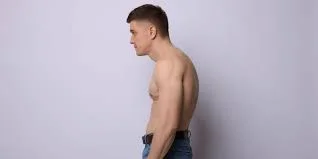
- Forward head posture. This is caused by screen use.
- Rounded (kyphotic) shoulders and upper back.
- Anterior pelvic tilt or swayback.
- Overall, slouching leads to muscle fatigue, joint strain, and pain in the neck, back, hips, or even headaches and reduced energy.
These issues can create somatic dysfunction, restricted motion, tissue texture changes, asymmetry, and tenderness. Osteopathy directly targets these issues and proves a great help for posture correction.
Also, read How Often Should You Visit a Chiropractor or Osteopath for Maintenance?
How Osteopaths Approach Posture Correction?
The session begins with a general evaluation of the issue. Here are some of the key things that take place during the evaluation:
- Detailed history of lifestyle, work, injuries, and symptoms.
- Observation of static posture. It includes standing, sitting, dynamic movement (gait, range of motion), and palpation to detect restrictions or imbalances.
- Assessment of the entire musculoskeletal system. It includes the spine, pelvis, shoulders, and even cranial or visceral influences if relevant.
Treatment is individualised and non-invasive. The aim of this treatment is to restore mobility, release tension, rebalance muscles, and improve alignment so the body can maintain better posture naturally.
Key Osteopathic Techniques for Posture
Osteopathic Manipulative Treatment (OMT) includes a variety of gentle, hands-on methods. Here are some of them mentioned:
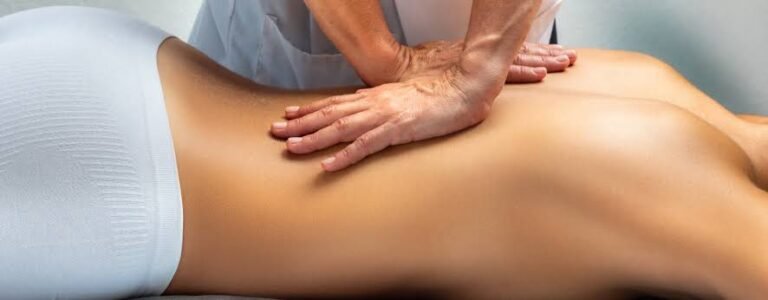
1. Soft Tissue Manipulation: It includes massages and stretching to release tight muscles. It improves circulation and relaxation.
2. Joint Mobilisation and Articulation: This sort of technique involves gentle rhythmic movements to restore the range of motion in restricted spinal or peripheral joints.
3. Muscle Energy Techniques (MET): This is yet another technique used by OsteoPath to correct the posture. Patients actively contract the muscle against resistance. This is followed by relaxation and stretching to correct the imbalance and improve alignment.
4. High-Velocity Low-Amplitude (HVLA) Thrusts: This form of technique is used selectively. It is used only if appropriate. It involves quick, controlled adjustments for joint restrictions. HVLA is often used cautiously.
5. Counterstrain or Positional Release: This is a common technique used for posture correction by Osteopaths. It involves positioning the body to ease tender points and muscle spasms.
6. Myofascial Release: This is one of the several types of techniques used by Osteopaths. It is used to address restrictions in connective tissue (fascia) that can pull the body out of alignment.
Complementary Elements: Exercises, Awareness, and Lifestyle Advice
Awareness and Lifestyle Advice is the section that explains how osteopathic care for posture goes well beyond the treatment table. After Osteopathic Manipulative Treatment (OMT) helps release restrictions, reduce muscle tension, and restore better alignment, the real long-term success depends on the patient actively supporting those changes through daily habits and targeted training.
Osteopaths view OMT as removing obstacles to the body’s self-healing and self-regulating abilities, but the patient must then reinforce and maintain the improvements. This complementary phase empowers the individual with practical tools to prevent regression into old postural patterns.
Exercises: Osteopaths typically prescribe a personalised home exercise program tailored to the patient’s specific imbalances. The goal is to strengthen weak muscles that fail to support posture and lengthen and release tight and overactive muscles.
Postural Awareness: Many people with poor posture have lost accurate awareness of their body position in space. Osteopaths help this rebuild through education and simple cues. This is quite helpful in learning to recognise habitual slouching, forward head position, or pelvic tilting.
Lifestyle and Ergonomic Advice: This element addresses the behavioural and environmental factors that contribute to postural strain on a daily basis. Osteopaths frequently recommend integrating these changes gradually so they become sustainable habits rather than temporary fixes.
Conclusion
The osteopathic approach to posture correction offers a comprehensive patient-centered solution that goes far beyond temporary fixes or isolated adjustments. By recognising the body as an interconnected unit, osteopathy addresses the root causes of postural imbalances.
If you are seeking expert care for postural correction in Jammu, Swasthya Shastra stands out as a specialized clinic that integrates osteopathy, physiotherapy, and chiropractic care under one roof. The team at Swashthya Shastra focuses on holistic, non-surgical solutions for spine, joint, and posture-related issues.
For further queries, please reach out to Dr. Gaurav Vaid or Swasthya Shastra.