Book Appointment Now
Pelvic Dysfunction and Groin Pain: Symptoms, Causes, and Cure
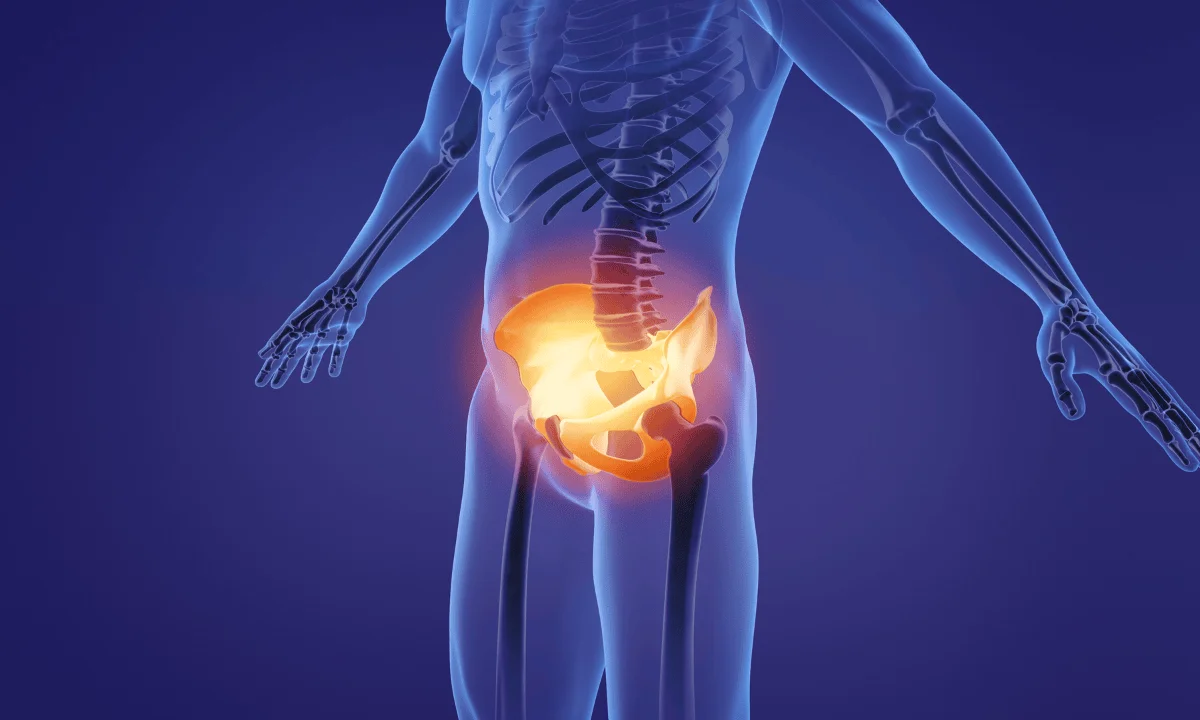
Pelvic dysfunction is a widespread condition where muscles, ligaments, and connective tissues of the pelvic floor fail to function properly. The muscles become either overly tight, weak, uncoordinated, or spasming. When dysfunction occurs, it frequently manifests as groin pain. It is deep, aching, sharp, and radiating in the groin, inner thigh, lower abdomen, hips, or even low back.
Pelvic dysfunction is not inevitable or untreatable; many gain comfort and confidence with proper assessment. A visit and consultation at Swasthya Shastra, a specialised physiotherapy clinic in Jammu, can play a valuable role in addressing these issues through a holistic multidisciplinary approach. Led by Dr. Gaurav Vaid, the centre offers personalised assessments to identify root causes such as pelvic instability, muscle imbalances, nerve irritation, or postural contributors to groin and pelvic pain.
Symptoms of Pelvic Dysfunction and Groin Pain
The symptoms affect men and women across all ages, often linked to childbirth, menopause, athletic overuse, chronic stress/constipation, trauma, or ageing. Here are some common symptoms of pelvic dysfunction and groin pain:
- Deep, Aching, and Sharp Pain: Groin pain can be deep, aching, or sharp. The pain may radiate to the inner thigh, lower abdomen, hips, or lower back.
- Pelvis Issues: Pelvic pressure or heaviness. Pain worsens when sitting or standing for a long period, walking, exercising, or performing specific movements.
- Urinary Issues: It includes urgency, frequency, leakage, painful urination, or difficulty emptying.
- Bowel Issues: It includes constipation, straining, incomplete emptying, or pain with bowel movements.
- Dyspareunia: Pain during or after sexual intercourse.
- Musculoskeletal Discomfort: Pain when coughing, sneezing, or exercising.
Also, read Should You See a Chiropractor for Hip Pain?
Possible Causes of Pelvic Dysfunction and Groin Pain
Experts don’t know the exact causes of Pelvic Dysfunction and Groin Pain. But there are certain factors that might play a role. Here are some of the possible causes:
1. Muscle Weakness: This can be a possible reason. When muscles weaken after childbirth, ageing, or inactivity, it can lead to pelvic dysfunction.
2. Muscle Tightness or Spasm: Muscle tightness or spasm can cause pelvic dysfunction or groin pain.
3. Connective Tissue Issues: This is also called referred pain. The pain is caused by the nearby structures, such as the sacroiliac joint and the iliolumbar ligaments.
4. In addition to this, Pelvic Dysfunction and groin pain are caused by:
- Trauma during childbirth, tears, surgery, and falls.
- Overuse of high-impact sports and heavy lifting.
- Chronic straining caused by constipation.
- Hormonal changes during menopause.
How to Cure Pelvic Dysfunction and Groin Pain?
There is no single cure that guarantees complete elimination for everyone. However, pelvic floor physical therapy reaches 70-80% for pain reduction and functional improvement, with many achieving near-complete relief when adherent.
Pelvic Floor Physical Therapy (PFPT): First-Line and Most Effective Treatment
This is unanimously recommended as the primary intervention for high tone, hypertonic PFD contributing to groin and pelvic pain. It outperforms isolated medications or other modalities for direct muscle-related issues.
Why It’s Effective
Specialised therapists target the root, release the trigger points, retrain relaxation, improve coordination, and address referral to the groin.
However, it often requires an internal exam for accurate assessment in a consenting patient.
Typical Components:
- Manual myofascial release and trigger point therapy.
- Biofeedback (EMG or manometry) to visualise and teach muscle relaxation and contraction.
- Diaphragmatic breathing, hip stretches, and core integration.
- Education on avoiding straining, posture, and activity mods.
Also, read How Lifestyle Factors (Sleeping, Sitting, Lifting) Impact Spinal Health
Conclusion
Pelvic dysfunction is neither inevitable nor untreatable. With the right understanding and targeted care, most people experience meaningful relief, restored mobility, and a return to activities they once enjoyed, whether that is walking comfortably, exercising without fear, or simply sitting through a meal pain-free.
In this article, I have provided you with a list of symptoms. If these symptoms resonate, consulting a pelvic health specialist or booking at a centre like Swasthya Shastra can make all the difference. This specialised physiotherapy centre provides personalised evaluations that address root causes.
For further queries, please reach out to Dr. Gaurav Vaid or Swasthya Shastra.