Book Appointment Now
Osteopathy for Children: When to Consider It and What to Expect
How reliable is Osteopathy for children? Many people wonder whether it is a go-to option or not. At the outset, let me assure you that Osteopathy is a reliable complementary treatment for certain pediatric conditions, particularly musculoskeletal issues and some infant-related concerns. Osteopathy can be a gentle, holistic approach to address various health concerns in children from newborns to teenagers.
However, there is an important consideration you have to take into account. You have to choose a qualified pediatric osteopath. For those in Jammu and around, Swasthya Shastra is a go-to place. I, Dr Gaurav Vaid, with hundreds of successful cases to my credit, offer you case-specific, tailored treatment.
When to Consider Osteopathy for Children?
Osteopathy may be beneficial for children experiencing a range of physical and developmental issues. Now, the question is what the situation is, and when you should consider Osteopathy for children. Here are some of the reasons:
1. Birth-Related Concerns
You can opt for the Osteopathic treatment of your newborn or infant if you experience any of the given problems in your kids:
- Difficult or traumatic birth. It includes forceps, vacuum, or cesarean delivery.
- Feeding difficulty, such as trouble latching or sucking.
- Colic, excessive crying, or digestive issues like reflux or constipation.
- Asymmetries, such as a preference for turning the head to one side (torticollis) or a flattened head shape (plagiocephaly).
2. Developmental Delays or Physical Discomfort
The issues of developmental delays or physical discomfort can be resolved via Osteopathic treatment. Here are some of the situations highlighted:
- Delayed milestones, such as trouble in crawling, walking, or coordination.
- Postural issues like scoliosis or uneven shoulder or hip alignment.
- Growing pains or musculoskeletal discomfort, especially in active children or adolescents.
3. Recurrent Health Issues
If your child is going through recurrent health issues, Osteopathy is a viable form of treatment that you can consider. Here are some of the health issues that can be treated via the Osteopathic care:
- Frequent ear infections, sinus problems, or headaches.
- Respiratory issues, such as asthma or breathing difficulties.
- Sleep disturbances or restlessness.
4. Injuries or Post-Surgical Recovery
If your kid is facing injuries or is going through the post-surgical recovery, you can opt for this form of treatment. Osteopathy can be used to cure:
- Sports injuries, sprains, or strains.
- Recovery from fractures or surgeries to restore mobility and reduce pain.
5. Behavioral or Neurological Concerns
This can be used to treat behavioral or neurological concerns like:
- Difficulty concentrating, hyperactivity, or sensory processing challenges. This is sometimes linked to physical tension.
- Stress-related symptoms, such as tension headaches or jaw clenching.
Also, read Osteopathy During Aging: Keeping Joints Flexible & Mobile After 50
What to Expect During Osteopathic Treatment?
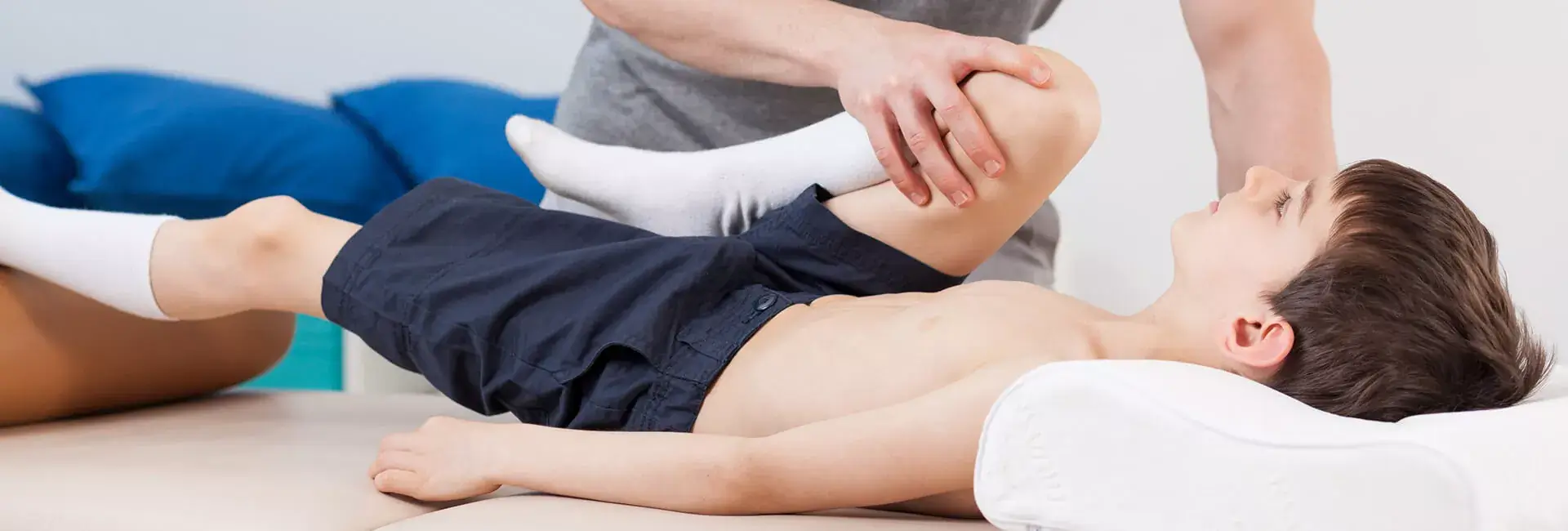
Osteopathic care for children is tailored to their age, condition, and comfort level. Here is what typically happens during Osteopathic treatment to children:
1. Initial Consultation
During the process of initial consultation, the osteopath will take into account your medical history. You will be asked to tell about the child’s symptoms, lifestyle, and any previous treatments. Your posture, movement, and areas of tension or restriction will be assessed.
2. Treatment Session
Osteopaths, by and large, use gentle, hands-on methods of soft tissue massage or joint articulation. Each session usually lasts 30–60 minutes. The duration of the session depends on the child’s age and needs.
It has come to light that most children find the treatment relaxing. Infants may sleep, while older children might chat or play during the session.
3. Number of Sessions
There is no defined number of sessions. The number of session vary. Acute issues may improve in 1-3 sessions, while chronic and complex issues require ongoing care. The Osteopath will provide you with a treatment plan and adjust it based on progress.
4. Parental Involvement
Parents are usually present. Parental involvement is crucial, especially for younger children, to provide comfort and answer questions. The Osteopath may suggest at-home exercises, stretches, or lifestyle adjustments, such as ergonomic backpacks for school-aged kids
5. Outcomes
Many parents report improvement in their child’s symptoms. Better feeding, reduced colic, improved sleep, or enhanced mobility are some of the notable reported symptoms. It is important to note that the results vary. All conditions do not respond equally. The osteopath will discuss realistic expectations.
Conclusion
So, it can be said that Osteopathy offers a gentle and non-invasive way to address a variety of physical and developmental concerns in children, from infancy through adolescence. It can be particularly valuable for issues like colic, torticollis, growing pains, or recovery from injuries, complementing conventional medical care.
By choosing a qualified pediatric osteopath and maintaining open communication with your child’s healthcare team, you can ensure safe and tailored treatment. Visit Swasthya Shastra in Jammu. I, Dr Gaurav Vaid, will help you with personalized Osteopathic treatment.
For further queries, please reach out to Dr. Gaurav Vaid or Swasthya Shastra.