Book Appointment Now
Does Physical Therapy Treat Cerebral Palsy?
Cerebral palsy is a non-progressive neurological disorder and lifelong physical disability caused by abnormal brain development. According to the WHO, it is the leading cause of childhood disability in the USA. Cerebral Palsy is incurable, but a combination of various therapies and medicines has shown significant improvement in treating Cerebral Palsy. Among all the therapies, Physical Therapy plays a crucial role in improving muscle strength and mobility and also helps in preventing Contractures.
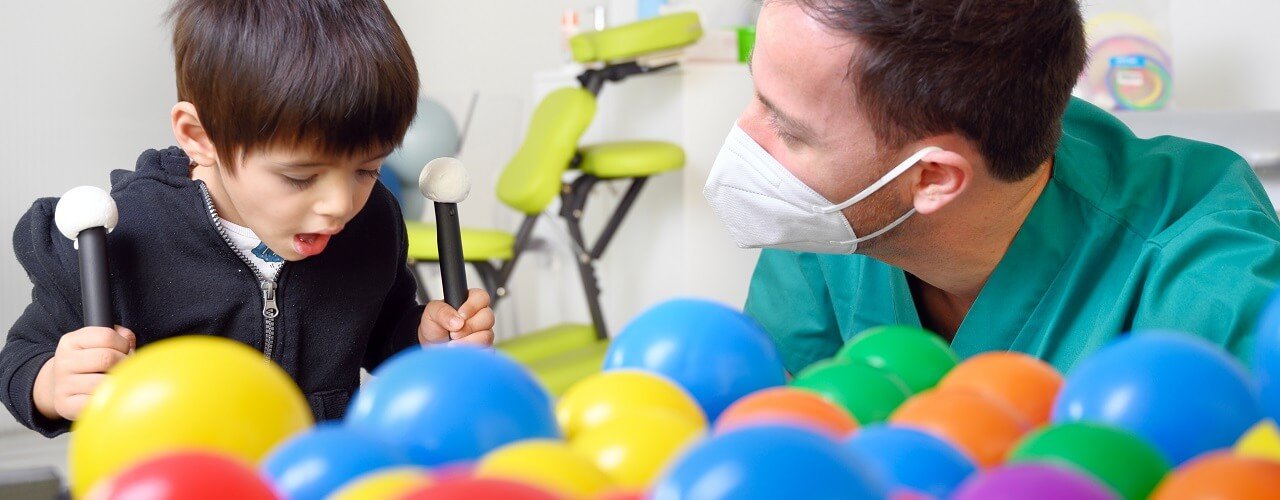
Early intervention of physical therapy along with tailored exercises in childhood can help children achieve maximum potential for physical independence, fitness levels, and improving the overall quality of their lives.
Physiotherapy cannot reverse or cure cerebral palsy. But patients with CP still need other treatments. It can help them stay more active and feel better, which helps them boost their confidence. Studies show physical therapy also helps children with cerebral palsy improve their mental health.
Key Types of Cerebral Palsy

1. Spastic CP: This is a very common type of cerebral palsy, causing stiff muscles and hypertonia.
2. Dyskinetic CP: It causes uncontrollable, slow, or jerky writhing movements.
3. Ataxic CP: It affects balance, depth perception, and overall coordination.
4. Mixed CP: Spasticity (muscle stiffness) and dyskinesia (uncontrolled, writhing movements) or ataxia (poor balance) are the common symptoms in this type of cerebral palsy.
Benefits of Physical Therapy to Treat Cerebral Palsy
Physical Therapy’s core goal is to improve movement, muscle tone, and enhance muscle strength.
1. Helps Improve Mobility: It helps improve gross motor skills like crawling, rolling, walking, and helps in maintaining proper posture.
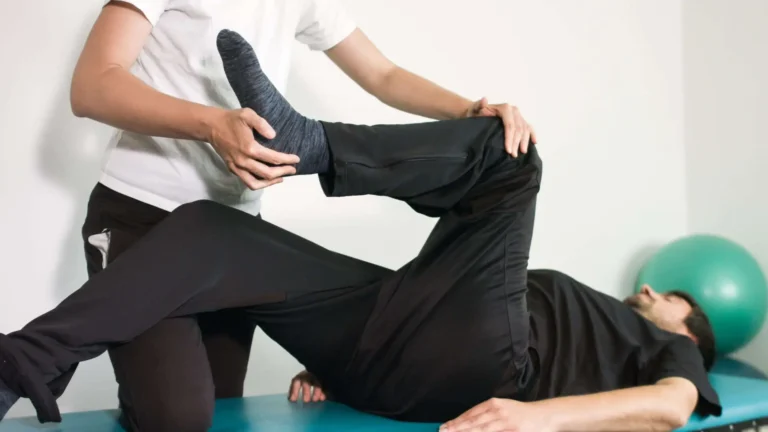
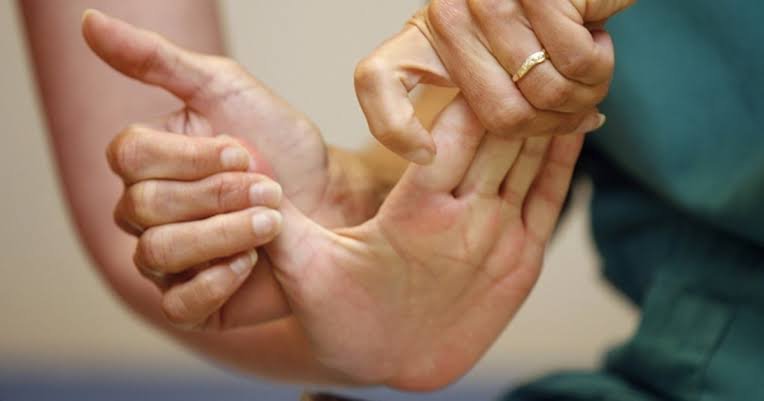
2. Manage Muscle Tone: Through tailored stretching and positioning, it helps reduce spasms and stiffness.
3. Helps Build Strength: It imparts balance and coordination by strengthening weak or underused muscles.
4. Helps Prevent Deformities: Physical therapy helps strengthen weak muscles, which helps prevent contractures and skeletal misalignments as the child grows.
5. Treat Other Cerebral Palsy Issues: It also helps to treat other issues like Scoliosis, Thoracic Kyphosis, lumbar lordosis, pelvic inclination, Pelvic rotation, Pelvic obliquity, knee deformity, shortened Achilles tendon, and hand and wrist deformities.
Physical Therapy Key Interventions & Techniques Used to Treat Cerebral Palsy
Based on the individual’s age, symptom severity, and specific motor type tailored treatment plans are prescribed by special Physiotherapists. Common techniques to treat cerebral palsy are:
Functional Electrical Stimulation (FES)
This one imparts low-level electrical impulses to motor nerves using computer technology to force contractions in paralyzed muscles, helping with movements like cycling, walking, or arm activation.
Constraint-Induced Movement Therapy (CIMT)
This technique encourages the use of affected limbs by restraining the stronger side. It helps to enhance motor control, flexibility, posture, and daily independence.
Functional Task Training & Gait Treadmill Training
Functional Task Training focuses on real-world movements such as walking, sitting, and reaching rather than just focusing on muscle exercises, which helps boost gross motor functions.
Gait and Treadmill Training uses body-weight support or treadmill exercises to improve walking speed and coordination.
Serial Casting
It is a non-invasive treatment that uses a continuous series of custom casts to gradually stretch tight spastic muscles, decrease muscle stiffness, and improve joint range of motion.
Assistive Orthotic Equipment
In this technique, braces, walkers, ankle-foot orthoses (AFOs), standing frames, or orthotics to support safe movement.
- Assistive and Orthotic Equipment: Incorporates braces, ankle-foot orthoses (AFOs), splints, or walkers to support safe standing and alignment.
What Kind of Physical Therapist Do You Need?
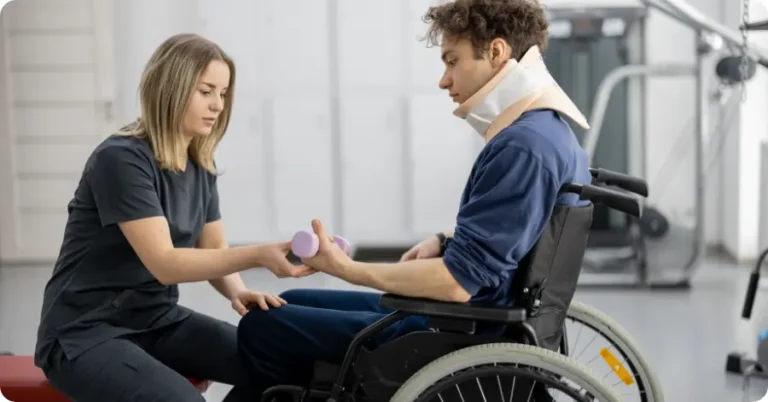
Special Physical Therapists (pediatric or neurological) specialising in movement disorders, motor development, and muscle tone management are required to treat cerebral palsy. They often work alongside occupational therapists and speech-language pathologists as part of a multidisciplinary care team.
- Pediatric Physical Therapist or a Neurologic Clinical Specialist (NCS): A physical therapist who focuses on treating infants and children and has experience treating people with CP.
- ABPTS Specialist: A physical therapist who is a board-certified clinical specialist or who has completed training in pediatric or neurologic physical therapy. This physical therapist has advanced knowledge, experience, and skills that may apply to your condition.
Conclusion
In conclusion, physical therapy is one of the most effective treatments required to manage cerebral palsy. Managing cerebral palsy is a lifelong effort. Incorporating regular targeted exercises or activities in your child’s daily routine can help your child to learn new ways to control and move their body. It also helps reduce spasticity and prevents long-term joint contractures or deformities.
You must encourage your child to do these exercises regularly, as physiotherapy is sheer hard work. It has significantly helped children suffering from cerebral palsy in improving their levels of self-reliance. However, this has to be done under the guidance and supervision of a trained professional. You can visit Swasthya Shastra in Gandhi Nagar, Jammu, where Dr Gaurav Vaid, who has been in the profession for over two decades, offers you personalised treatment.
For further queries, please reach out to Dr. Gaurav Vaid or Swasthya Shastra.