Book Appointment Now
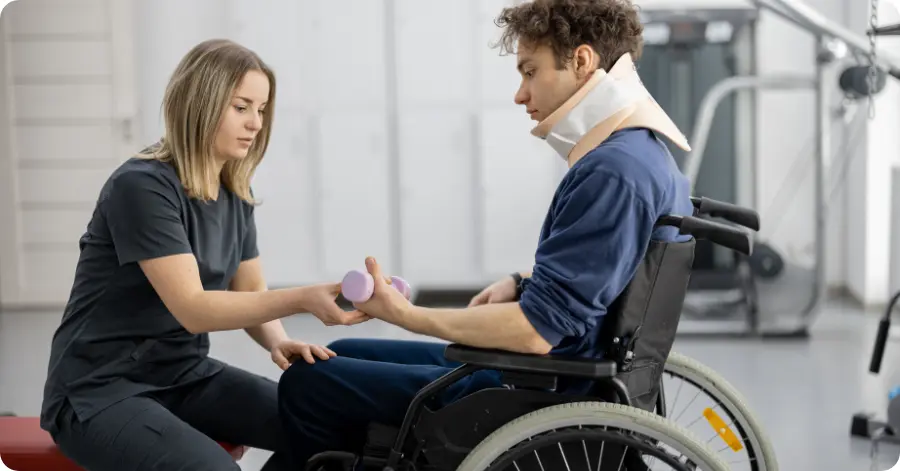
Does Physical Therapy Treats Traumatic Brain Injuries?
Having a Brain Injury can be a horrible and frustrating experience. Traumatic brain injury is believed to be the leading cause of morbidity and mortality among civilians and army personnel globally. The severity of a brain injury can range from mild (a concussion) to severe (coma). There are several treatments for Traumatic Brain Injury (TBI), and Physiotherapy plays a crucial role in traumatic Brain Injury rehabilitation treatment.
Physiotherapy’s main objective is to restore physical function and maximize independence. Traumatic brain Injury often means dealing with physical symptoms, but patients also experience cognitive issues such as brain fog, problem-solving, emotional quotient, and difficulty concentrating.
Physiotherapists use the principle of Neuroplasticity, which is the brain’s lifelong ability to rebuild and rewire its neural pathways and learn new skills. It also helps in pain management and reducing inflammation. A comprehensive plan is made by a physiotherapist to expedite the post-TBI recovery process.
Key Role of Physical Therapy in Treating Traumatic Brain Injury

Physical Therapy Interventions have shown amazing results in patients recovering from traumatic brain injuries. Here, we will discuss the key role of physical Therapy in treating patients post-traumatic brain injury.
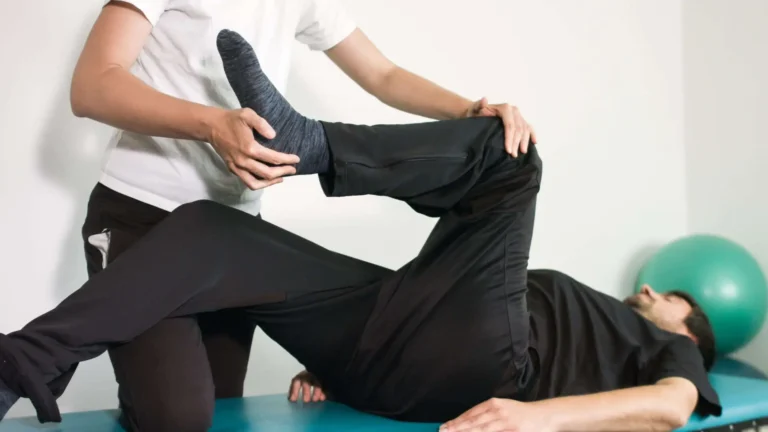
1. Managed Physical Mobility: Progressive, tailored exercises help patients manage physical immobility risks during early or acute recovery stages, such as joint contractures, muscle stiffness, pressure injuries, and deconditioning.
2. Better Quality and Increased Independence: Physical Therapy helps patients regain the confidence to perform their daily tasks independently and improves the overall quality of their lives.
3. Balance and Vestibular Training: It ensures eye-head coordination by helping patients adapt to visual-spatial disruptions caused by damage to brain pathways.
4. Enhanced Strength and Endurance: It imparts core stability and rebuilds stamina and muscle tone, lost from prolonged bed rest or neurological impairment.
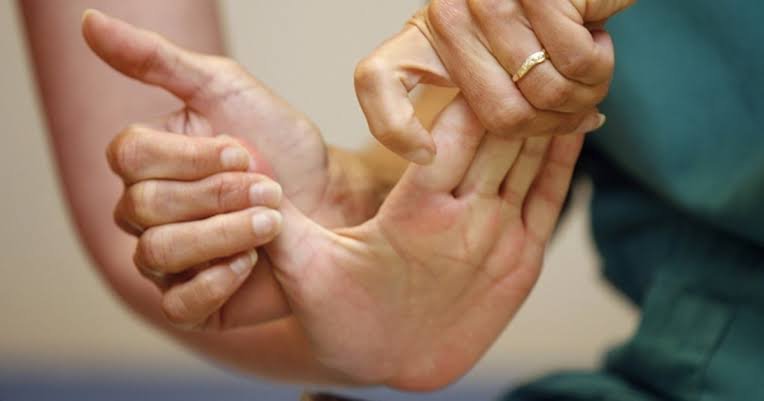
5. Spasticity and Contracture Management: Various stretching exercises and positioning help reduce painful muscle stiffness and joint contractures.
6. Respiratory Care: It helps manage airway clearance, positioning, and mobilization in critical stages to ensure proper oxygenation.
7. Cognitive-Motor Integration: Incorporates dual-task training (combining physical movement with mental or memory exercises) to indirectly stimulate attention and focus
Physical Therapy Techniques Used to Treat Traumatic Brain Injury
Physiotherapy has shown remarkable improvement in patients recovering from Traumatic Brain Injuries. Here are common Physical Therapy techniques used by physiotherapists post-traumatic brain injury.
1. Gait and Balance Training: Therapists use progressive balance and gait training to address issues like dizziness, vertigo, and unsteadiness (affecting 40% to 60% of TBI patients).
2. Cardiovascular and Fatigue Training: Tailored and structured graded exercises (3 to 5 times a week) have been used to help patients rebuild endurance, reduce fatigue, and reduce post-injury trauma.
3. Restoring Motor Function: Physical therapy helps patients rebuild strength, balance, coordination, and control for patients experiencing paresis (partial paralysis), ataxia (lack of muscle control), and muscle weakness.
4. Vestibular Support: A specialized exercise program designed to treat dizziness, vertigo, gaze instability, and balance problems by helping the brain adapt and compensate using other sensory systems.
5. Motor Relearning: Techniques like Constraint-Induced Movement Therapy (CIMT) and repetitive real-world activities to improve brain functioning.
Common Brain Injury Symptoms Addressed by Physiotherapy
Neuromuscular and manual therapy techniques are used in patients showing these symptoms, which include massages, stretches, and manipulation of soft tissues to increase steady blood flow in the head and neck area by reducing inflammation.
- Neck and Shoulder Pain
- Memory loss and difficulty concentrating
- Impaired movement or coordination
- Speech and language challenges
- Emotional instability or depression
- Difficulty with daily tasks and decision-making
Conclusion
In a nutshell, Physical therapy post-brain injury can play a significant role in optimizing a person’s recovery journey and enhancing their functional independence. It is an effective rehabilitation treatment to normalize some of the complications faced by patients after a traumatic brain injury.
You must consult a trained physiotherapist for personalised and tailored treatment. Those in and around Jammu can visit Swasthya Shastra Wellness Center, where Dr Gaurav Vaid offers you personalised treatment.
For further queries, please reach out to Dr. Gaurav Vaid or Swasthya Shastra.