Book Appointment Now
Does Physical Therapy Treat Knee Pain?
Knee pain is extremely common. It accounts for about 5% of adult primary care visits and can range from mild discomfort to severe, limiting mobility. Many people opt for physical therapy to treat their knee pain. But the million-dollar question remains: Does physical therapy treat knee pain? In this article, I shall answer this question. Stay connected to know the answer.
Physical therapy (PT) is often seen as a first-line, non-invasive approach that reduces pain, improves function, and strength. It can help delay or avoid surgery in appropriate cases. It effectively treats many common causes of knee pain.
Common Knee Conditions Helped by Physical Therapy
Here are the common knee conditions helped by physical therapy:
1. Knee Osteoarthritis (OA): Structured exercise such as strengthening, aerobic, aquatic, or neuromuscular training, education, and self-management are core first-line treatments. They reduce pain and improve function, with benefits often lasting months, though effects may diminish without ongoing activity. PT can outperform or complement options like steroid injections in some comparisons.
2. Patellofemoral Pain: Pain around the kneecap is called Patellofemoral pain. Certain exercises are prescribed for hip and knee strengthening, sometimes combined with foot orthoses or taping. Surgery is generally not indicated.
3. Meniscal Tears: A PT recommends certain exercises to treat Meniscal tears. Exercise therapy for 4 to 6 weeks is appropriate for most tears. Research shows PT is not inferior to arthroscopic surgery for improving function in many cases. Surgery is typically reserved for severe traumatic or displaced tears.
4. Other Issues: Issues like ligament sprains, tendinopathies, post-injury or post-surgical recovery, and general overuse or muscle imbalance-related pain are treated by PT. It builds supporting muscle strength, including quads, hips, and hamstrings. It helps improve mobility and balance and addresses biomechanics.
How Physical Therapy Helps?
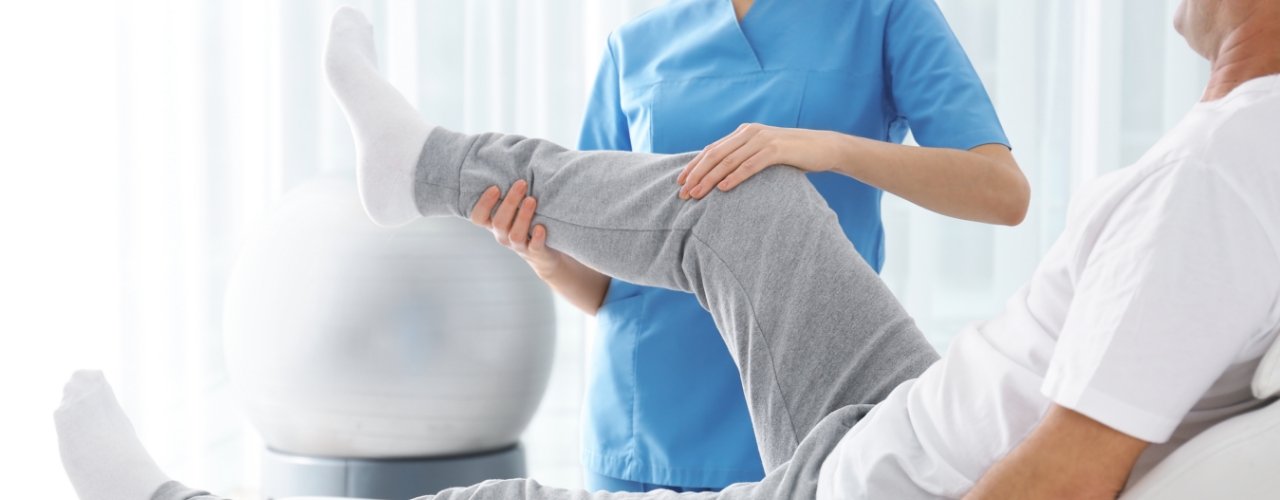
A physical therapist evaluates the knee, identifies contributing factors, and creates a personalized plan. Factors such as weakness, tightness, and movement patterns are taken into consideration. A personalised plan is laid out. It might include:
1. Targeted exercises, including quad sets, straight leg raises, hip strengthening, balance work, and progressive loading, are prescribed by the PT.
2. Manual techniques, joint mobilization, or modalities are used. Heat, ice, taping, and electrical stimulation are used in some cases.
3. A PT educates you on activity modification, weight management, and self-management strategies. Guidance and awareness are quite important for better treatment.
The benefits of PT include reduced pain, better range of motion, stronger supporting muscles that unload the joint, improved stability, and higher quality of life.
When to See a Physical Therapist for Knee Pain?
You should see a physical therapist if knee pain persists beyond a short period of self-care, interferes with daily activities, or involves common non-emergency issues.
1. Mild or gradual-onset pain: When the pain is mild, which many people feel after activity or overuse, see a physical therapist. Rest, ice, elevation, and over-the-counter pain relief may resolve on their own. A bit of advice from a PT will come in handy.
2. If Pain Persists 1 Week: If symptoms persist for more than about 1 week, many experts recommend a PT evaluation. Some guidance suggests 2–3 weeks of self-care as a general window before seeking professional help, especially if pain is mild and not limiting function.
3. Pain Linked to Movement: Seek PT sooner or as a first step for pain linked to movement, training changes, gradual overload, stairs, running, or squatting, without urgent red flags.
Early PT is often preferred for conditions like osteoarthritis, patellofemoral pain, many meniscal tears, tendinopathy, or muscle imbalances.
Signs It’s Time for a PT Evaluation
Consider seeing a physical therapist if you have:
- Pain lasting more than a few days to a couple of weeks that isn’t improving.
- Difficulty with walking, stairs, standing from a chair, or usual activities.
- Swelling, stiffness, or reduced range of motion.
- Clicking, popping, mild instability, or weakness around the knee.
- Pain that worsens with activity but settles somewhat with rest.
- Diagnosed or suspected osteoarthritis, runner’s knee, or overuse issues where strengthening and movement retraining help
Conclusion
So it can be said that Physical Therapy is effective and reliable in treating knee pain. You must consult a PT if knee pain persists beyond a short period of self-care or interferes with daily activities.
Physical therapists are trained to evaluate knee problems, distinguish cases they can manage from those needing medical referral. It is therefore important to consult a trained and professional physiotherapist for proper guidance and better treatment. Those in Jammu and around can visit Swasthya Shastra in Gandhi Nagar, Jammu. They will provide you with personalised treatment.