Book Appointment Now
Does Physical Therapy Treat Sports Injuries?
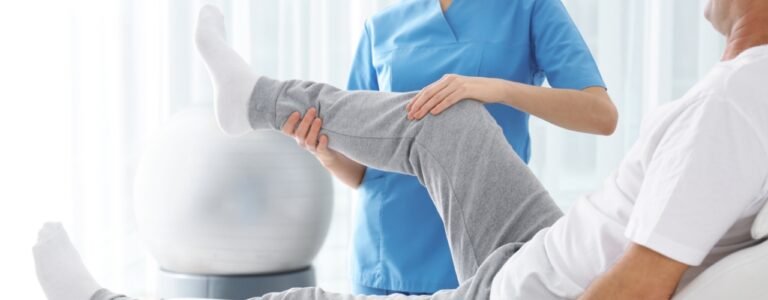
Physical Therapy has grown substantially in importance and acceptance as a mainstream, evidence-based form of treatment. Different niches are carved out of it to treat different injuries. The question we are concerned with is: Does Physical Therapy treat Sports injuries? Let us dive in to find the answer to this question and more in this article.
Sports Physical Therapy came into being as a separate niche of Physical Therapy. It is a natural specialization of physical therapy applied to the specific challenges of athletic injury and performance. Sports Physical Therapists are movement experts who evaluate, treat, and help prevent injuries related to athletic activity.
Common Sports Injuries Treated
Physical therapy commonly addresses both acute injuries caused by a single event and overuse injuries. Here are some common sports injuries treated through Physical Therapy:
ACL Tears
Tears often occur from sudden stops, pivots, or landings in sports like soccer, basketball, or skiing. The anterior cruciate ligament (ACL) stabilizes the knee. Physical therapy restores strength, range of motion, and neuromuscular control. It enables safe return to sport and reduces re-injury risk.
Meniscus Injuries
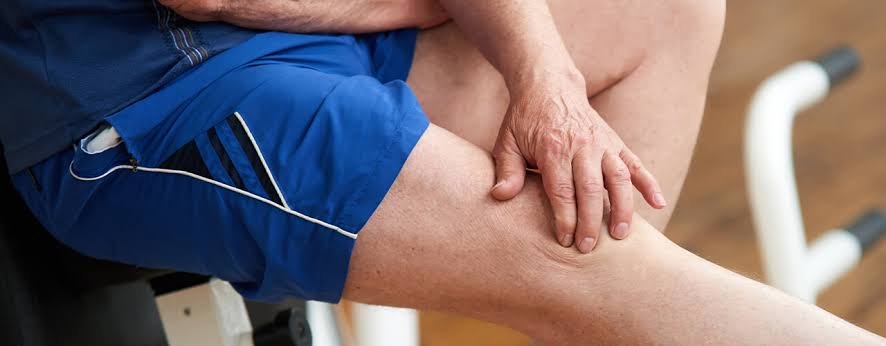
A torn meniscus is yet another common injury in sports. It causes sharp or dull pain, swelling, stiffness, and catching or locking in the knee joint. Physical therapy focuses on reducing inflammation, restoring mobility and strength, and improving joint stability. Many partial tears respond well to conservative care.
Runner’s Knee (Patellofemoral Pain)
Pain around or behind the kneecap is common in runners and jumpers from overuse, muscle imbalances, or poor tracking. Activities that load the knee worsen it. Physical therapy addresses biomechanics through strengthening, flexibility, and gait retraining. It reduces stress and resolves symptoms long-term.
Ankle Sprains
Ligament stretches or tears on the outer ankle are very common in court and field sports. This is generally caused by rolling the foot inward. It is followed by swelling, bruising, pain, and instability. Physical therapy progresses from protection and mobility to strengthening. It helps avoid chronic instability and enables a confident return to sport.
Rotator Cuff Injuries
Tears of the shoulder’s stabilizing muscles are often caused by overhead sports like throwing, swimming, tennis, or repetitive stress. Physical therapy restores range, strengthens the rotator cuff and scapular muscles. It improves mechanics and guides gradual return to overhead activity.
Shoulder Labral Tears
Damage to the cartilage rim deepening the shoulder socket, often caused by falls, throws, or dislocations in contact or overhead sports, is yet another injury common in sportspeople. Physical therapy stabilizes the joint through targeted strengthening and control exercises; some cases need surgery followed by structured rehab.
Shoulder Instability
Excessive joint movement or repeated dislocations are common in contact or overhead athletes. Physical therapy builds dynamic stability via rotator cuff and scapular strengthening, proprioception drills, and sport-specific progression to protect the joint.
Tennis Elbow
Overuse injury of the outer elbow tendons from repetitive gripping or wrist extension is reported in athletes. Pain at the lateral elbow worsens with gripping. Physical therapy employs eccentric exercises, soft-tissue work, strengthening, and activity modification to promote tendon healing and restore function.
In addition, injuries like IT Band Syndrome, Golfer’s Elbow, Hamstring Strains, Groin Strains, Hip Impingement, and sports-related back and Spinal injuries are treated through Physical Therapy.
How Physical Therapy Helps
Therapists create individualized plans that typically progress through stages:
1. Acute phase: This phase involves managing pain, swelling, and inflammation. It includes protection, gentle movement, and modalities.
2. Recovery phase: During this phase, a range of motion is restored, along with rebuilding strength and muscle balance. It also involves improved flexibility and retraining neuromuscular control and proprioception.
3. Return-to-sport phase: It involves sport-specific exercises, agility, plyometrics, functional testing, and gradual progression to full activity. All of this is done keeping in mind criteria to ensure readiness and lower re-injury risk.
Conclusion
So, it has come to the fore that Physical Therapy has a role in accelerating recovery, improving outcomes, and helping athletes return to play safely. PT may be the first-line approach for many injuries or follow surgery for structured rehab.
Results vary by injury severity, individual factors, and adherence to the program. A qualified physical therapist assesses the specific injury and develops a tailored plan. Consult a healthcare professional for personalized advice if you have a sports injury. Swasthya Shastra in Gandhi Nagar, Jammu, is highly recommended given the kind of track record it holds.