Book Appointment Now
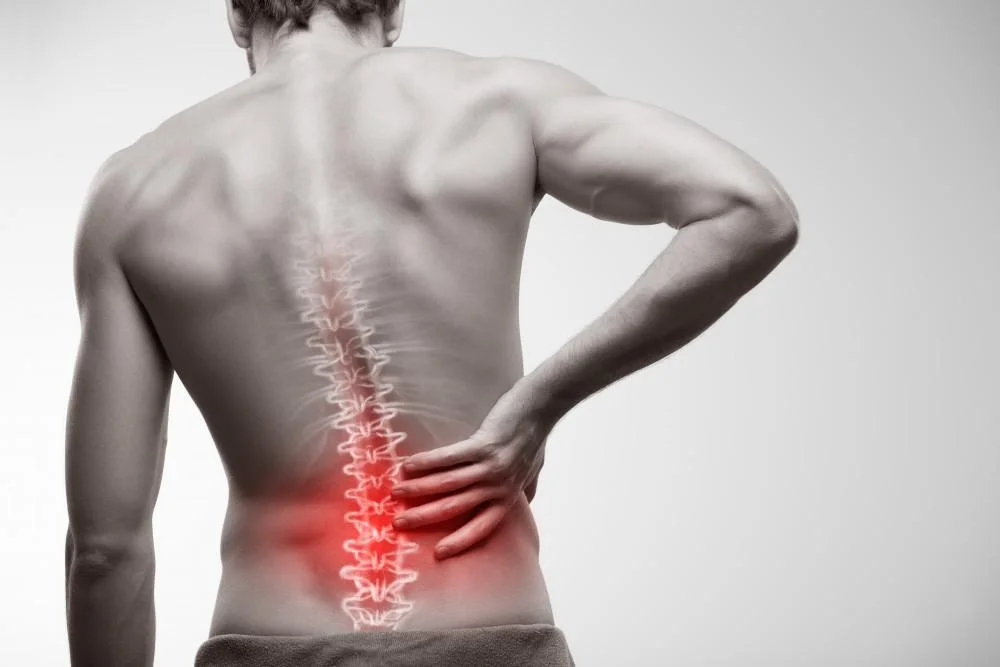
Pinched Nerve vs. Sciatica: Difference Explained
People often confuse a pinched nerve and sciatica, as they share similar mechanisms and symptoms. However, while these conditions are related, they are not identical. Since these often share overlapping symptoms, it makes self-diagnosis tricky, which leads to delays in proper care, worsening discomfort, or chronic issues. Here is a guide to help you understand the difference between a pinched nerve and sciatica.
Difference Between Pinched Nerve and Sciatica Explained
Two common culprits people often confuse are a pinched nerve and sciatica, but understanding the difference is key to getting the right relief.
Pinched Nerve
A pinched nerve, also called nerve compression or entrapment, is a general term for any nerve that is compressed or irritated by surrounding tissue. The surrounding tissue can be bones, cartilage, muscles, tendons, or discs. This can happen anywhere in the body. A pinched nerve causes pain, numbness, and weakness anywhere in the body.
Sciatica
Sciatica is a specific type of pinched nerve, or more precisely, it is a symptom set. It is a type of pinched nerve that leads to the irritation or compression of the sciatic nerve, which is the body’s longest and thickest nerve. The sciatic nerve originates from nerve roots in the lower spine and runs from the lower back through the buttocks.
Note that Sciatica is a form of pinched nerve, but not every pinched nerve is Sciatica. It specifically refers to a problem along the sciatic nerve pathway.
Pinched Nerve vs Sciatica: Symptoms Compared
Here is the comparison of symptoms between Pinched Nerve and Sciatica:
| Aspect | Pinched Nerve | Sciatica |
| Location | Anywhere in the body (neck, back, arms, wrists, legs, etc.) | Lower back, buttocks, back of thigh, or leg. It is often one-sided. |
| Pain Type | Sharp, burning, aching may radiate along the nerve path | Shooting, electric shock-like, burning; radiates down the leg (classic “shooting” pain) |
| Other Sensations | Numbness, tingling “pins and needles”), weakness in the affected area | Numbness and tingling in the leg or foot, weakness in leg muscles, worse with sitting, coughing, or sneezing. |
| Common Pattern | Localised or radiating, depending on site (e.g, neck pinch, arm, and hand dishes) | Radiates from lower back through the hip or buttocks and down one leg (rarely both) |
Both can cause similar nerve symptoms like pain, numbness, tingling, or muscle weakness, but sciatica’s hallmark is the distinctive leg radiating pattern.
What Causes a Pinched Nerve and Sciatica?
Here are some of the possible causes of a pinched nerve and sciatica:
Pinched Nerve
Herniated, bulging discs, bone spurs, arthritis, injury, repetitive strain, inflammation, or conditions like spinal stenosis or carpal tunnel are common causes of pinched nerves. Any of these causes can lead to pinched nerves.
Sciatica
Sciatica almost always takes place from compression of lumbar nerve roots (L4-S1) that contribute to the sciatic nerve. Common triggers include:
- Herniated or bulging disc in the lower spine
- Spinal stenosis (narrowing of the spinal canal)
- Bone spurs from osteoarthritis
- Degenerative disc disease
- Rarely, piriformis syndrome (a muscle irritating the nerve) or direct trauma
Also, read Physiotherapy for Sciatica: Your Path to Pain Relief
Can a Chiropractor Help with a Pinched Nerve and Sciatica?
Chiropractic care stands out as an effective, drug-free option by focusing on spinal adjustments, decompression techniques, and soft tissue work to relieve nerve pressure. Here is how it works:
Core Mechanism
The primary goal is to correct biomechanical issues in the spine that contribute to nerve irritation. Common underlying causes include:
- Misaligned vertebrae (subluxations)
- Herniated or bulging discs
- Spinal stenosis or joint restrictions
- Muscle imbalances or tightness
By addressing these, chiropractic care reduces direct pressure on the nerve roots or the sciatic nerve pathway, decreases local inflammation, improves joint mobility, and enhances nerve function. It leads to better communication between the brain and the body.
Key Chiropractic Techniques Used
Here are some of the key chiropractic techniques used to treat pinched nerves and sciatica:
Spinal Adjustments / Manipulations
These are the cornerstones of the treatment. Using controlled, precise force in the form of a quick thrust or gentler mobilisation, the chiropractor realigns vertebrae in the lower back and pelvis. This helps in repositioning misaligned structures that pinch nerve roots and reduces pressure from herniated discs. Spinal adjustment restores normal spinal motion and decreases nerve irritability.
Flexion-Distraction Technique
This technique involves a gentle, non-thrust method using a specialised table. The chiropractor slowly flexes and distracts the spine, creating negative pressure in the discs. This can decompress deviated discs and relieve nerve root compression. It’s especially useful for disc-related sciatica and often feels relaxing.
Soft Tissue Therapy / Myofascial Release
These are hands-on techniques that target tight muscles that may irritate the sciatic nerve. This reduces spasms, improves circulation, and eases secondary muscle guarding that worsens pain.
Other Adjunct Therapies
1. Spinal Decompression: This is a non-surgical traction. The chiropractor gently stretches the spine to create space and relieve disc pressure.
2. Pelvic Blocking or Drop-Table Techniques: The chiropractor uses wedges or table drops to correct pelvic or sacroiliac misalignments contributing to sciatica.
3. Modalities like ice, heat, ultrasound, TENS, or cold lasers are used to reduce inflammation and pain.
Conclusion
Both pinched nerves and sciatica often stem from similar root causes like spinal misalignments, disc issues, or muscle imbalances, and they respond well to conservative, non-invasive treatments.
Swasthya Shastra is a trusted physiotherapy and rehabilitation centre in Jammu with over 23 years of experience. Led by Dr. Gaurav Vaid, the centre is known for offering holistic, evidence-based approaches including chiropractic care, osteopathy, and advanced techniques tailored for sciatica, slipped discs, and pinched nerves and related pains.
For further queries, please reach out to Dr. Gaurav Vaid or Swasthya Shastra.