Book Appointment Now
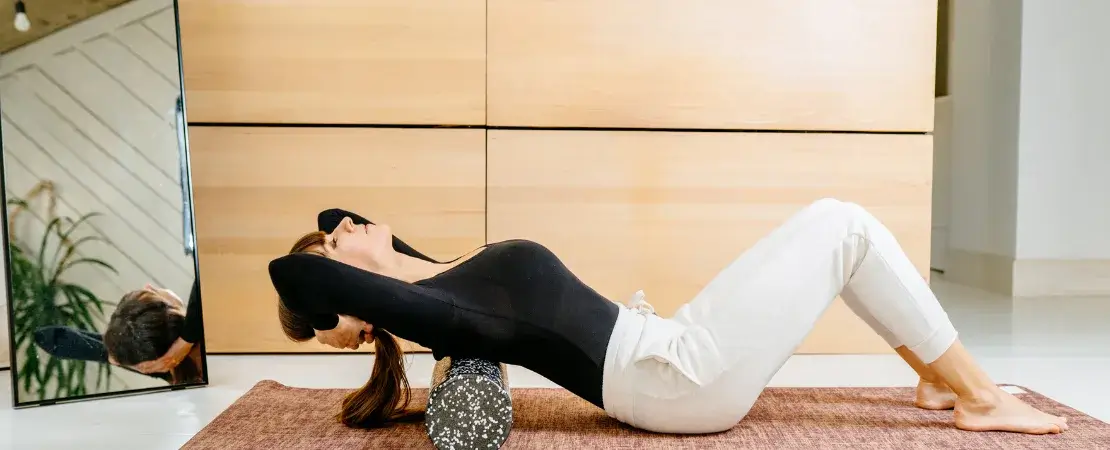
Managing Stress Through Breathing and Postural Correction
In today’s fast-paced world, demand from work, technology, and daily life constantly activates our body’s stress response. Many people in such a situation experience different types of disruptions, including shallow breathing and slumped postures. However, the good thing is, you have two simple yet powerful tools to interrupt this pattern. They are your breath and your posture.
Whether you are facing a high-pressure day or simply want to build greater emotional resilience, these techniques offer an immediate solution to your problems. They are an empowering place to start. No special equipment or long-term commitment is required, just a small repeatable shift in how you breathe and hold yourself deliver unexpected benefits for both body and mind.
Why These Techniques Help Reduce Stress?
Stress activates the sympathetic nervous system. It leads to shallow chest breathing, elevated heart rate, increased cortisol, muscle tension, and often a slumped posture. This created a feedback loop that upped the ante on anxiety and fatigue. Here is how breathing and postural correction help in reducing stress:
Deep Breathing
Deep diaphragmatic breathing shifts you towards the parasympathetic state. It lowers your heart rate, lowers blood pressure, reduces cortisol, and calms the mind.
Upright Posture
Upright posture is quite helpful. It counters the protective, closed-off slouch associated with stress. Sitting or standing tall maintains self-esteem, improves mood, and reduces negative affect.
| 💡Combining deep breathing and upright posture amplifies the benefits. A good posture makes deep breathing easier and more effective. Breathing helps sustain relaxed alignment. |
Effective Breathing Exercises for Stress Relief
Even though there are a number of breathing exercises, here are some of the most effective breathing exercises for stress relief.
Diaphragmatic Breathing
This is also called Belly breathing. It activates the diaphragm for fuller and calming breaths. Here is what you need to do:
- Sit or lie comfortably with one hand on your chest and the other on your belly.
- Inhale slowly through your nose for 4 counts, letting your belly rise.
- Exhale gently through your mouth for 4 to 6 counts, feeling your belly fall.
- Repeat for 5 to 10 minutes.
Box Breathing
Box Breathing is popular for quick calming. This is an important technique used by high-stress professionals. It balances the nervous system and improves focus under pressure. Here is how it works:
- Inhale through your nose for 4 counts.
- Hold your breath for 4 counts.
- Exhale through your mouth for 4 counts.
- Hold empty for 4 counts.
- Repeat 4 to 8 cycles.
4-7-8 Breathing
4-7-8 Breathing is also known as a natural tranquilizer for anxiety and sleep. It emphasizes extended exhales to enhance relaxation. Here is how it works:
- Inhale quietly through your nose for 4 counts.
- Hold for 7 seconds.
- Exhale completely through your mouth for 8 counts. Make a whoosh sound while exhaling.
- Repeat 4 cycles.
Cyclic Sighing
Cyclic Sighing is effective for mood improvement and anxiety reduction. It outperforms some other methods for increasing positive affect and calming the body:
- Inhale once normally through your nose.
- Take a second, quicker inhale to fully top off your lungs.
- Exhale slowly and fully through your mouth.
- Repeat for 5 minutes.
Also, read The Role of Physiotherapy in Stress & Anxiety Relief
Postural Correction Techniques
There are certain postural correction techniques that help you to do away with the posture-related issues. Incorporating these habits throughout your day to support breathing and reduce stress signals. Here are some of the techniques enlisted:
Basic Alignment Check
Stand or sit with feet hip-width apart. Shoulders should be relaxed; don’t shrug your shoulders. Tuck your chin slightly, and spine long. Now, open your chest without arching your lower back excessively.
Desk and Seated Adjustment
This is quite important. You just sit with your back supported, feet flat, and knees at 90 degrees. You should avoid sitting cross-legged and hunching over the screen of your device. Every 30–60 minutes, stand, roll your shoulders back, and take 3 deep belly breaths.
Wall Angel Exercise
Just stand with your back against a wall and your feet slightly forward. Now slide your arms up and down like making snow angels. Keep your elbows, shoulders, and wrists in contact. This opens the chest and reinforces upright posture. This exercise will help you to do away with posture issues.
Breath-Linked Posture Practice
This is yet another breath-linked posture practice. While breathing diaphragmatically, you just draw your shoulder blades together and down with each inhale, this will open the chest and then relax on exhale. This integrates posture with breath for deeper calm.
Conclusion
Mastering stress through stress and posture correction empowers you with simple yet powerful tools that restore the balance of your nervous system and enhance resilience. By intentionally correcting your posture and controlling your breath, you can actively shift your body out of a stressed state and into a calm and focused one.
These methods are accessible anywhere and require no special equipment. For seeking a deeper and personalised guidance, you can consult a physiotherapist. If you are in Jammu, consider visiting Swasthya Shastra. This specialised wellness clinic, with over 23 years of experience and thousands of lives transformed, excels in posture rehabilitation.
For further queries, please reach out to Dr. Gaurav Vaid or Swasthya Shastra.