Book Appointment Now
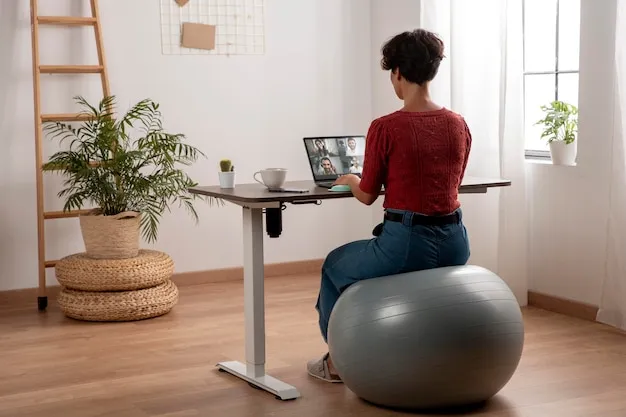
Physiotherapy for Work-from-Home Professionals: Staying Active and Pain-Free
In the present day and age, working from home has become the norm for many professionals. However, prolonged sitting, poor workstation setup, and reduced movement often lead to issues like neck pain, shoulder tension, upper and lower back pain, and stiffness in the hips or wrists. This is where Physiotherapy comes to play. Let us find out how it helps you to stay active and pain-free.
Physiotherapy principles focus on prevention through ergonomics, regular movement, targeted stretches, and strengthening to stay active and pain-free. However, it is important to visit a licensed and reputable clinic. If you are in Jammu, visit Swasthya Shastra, where Gaurav Vaid and his team of experts provide you with personalised and tailored treatment.
How Physiotherapy Helps?
Physiotherapy plays a key role in helping work-from-home professionals manage and prevent the physical toll of prolonged sitting, poor ergonomics, and a more sedentary lifestyle. Physiotherapy shifts the focus from reactive pain relief to proactive health. Here is how physiotherapy specifically benefits WFH professionals:
Prevents & Reduces Musculoskeletal Pain
Physiotherapy uses targeted exercises, manual therapy, and stretches to relieve muscle imbalances, reduce inflammation, and restore proper alignment. This type of treatment has worked for many. There are many WFH patients who reported significant pain reduction through routines like chin tucks, shoulder blade squeezes, and regular micro-breaks, preventing progression to chronic conditions.
Improves Ergonomics and Posture Education
Physiotherapists provide personalised ergonomic assessments by evaluating your chair, desk height, monitor position, and posture habits. You are taught neutral body positioning to minimise the strain on your spine, joint and nerves. This acts as an active pain management. It reduces repetitive stress and prevents issues like carpal tunnel or sciatica-like symptoms.
Promotes Movement & Breaks Sedentary Habits
Physiotherapists encourage the “best position is the next position” principle. According to this principle, the frequent posture changes, standing breaks, and walking. There is a principle of 10 minutes per hour. It helps you to improve circulation, lubricate joints, and prevent stiffness.
A physiotherapist will design a desk-friendly routine for you. Recommend seated or standing exercise such as shoulder rolls, glute squeezes, and spinal twists. The exercises prescribed will fit into workdays without disrupting productivity. All these counters reduced physical activity in WFH by building habits to boost overall mobility and energy.
Builds Strength, Flexibility, and Resilience
A physiotherapist provides you with customised programs to strengthen underused muscles that are weakened by sitting, while improving flexibility in tight areas. They incorporate tools like resistance bands and body weight moves to support better posture long-term. This enhances overall well-being. Better movement reduces stress, improves focus, and lowers risks tied to prolonged inactivity.
Also, read Spinal Alignment and Posture: Tips for Reducing Pain Without Surgery
Offers Early Intervention and Long-Term Prevention
Physiotherapists spot early warning signs and create tailored plans before problems worsen. For persistent or radiating pain, numbness, or tingling, they provide hands-on techniques, modalities, and guidance on when to adjust daily habits.
Many physiotherapists offer telepathy sessions, making it accessible for remote professionals.
Common Musculoskeletal Issues in WFH Professionals
Work From Home has shifted many professionals into a sedentary lifestyle. This leads to work-related musculoskeletal disorders (MSDs) or discomfort. Here are some of the common Musculoskeletal issues a work-from-home professional faces.
Neck Pain
This is one of the common pains reported by many work-from-home professionals. This is caused by constant forward head tilt toward screens, poor monitor height, and sustained static posture.
Lower Back Pain
This is yet another commonly prevalent pain. It is caused by prolonged sitting. Prolonged sitting compresses the spinal disc, weakens core support, and tightens the hip flexor while deactivating the glutes. It leads to stiffness, reduced mobility, and chronic strain.
Shoulder Pain and Upper Back Tension
A hunched posture, you do shoulder forward and strain the rotator cuff areas. This is caused by inappropriate Mouse and keyboard positioning. It causes tightness, knots, reduced range of motions and sometimes rotator cuff strains.
Wrist, Hand, and Forearm Issues
This is less dominant but is rising with poor setups. This is caused by non-neutral wrist positions, repetitive mouse or typing without support, and lack of breaks, which leads to nerve compression and inflammation. All this finally leads to tingling, numbness, and weakness. This can progress to repetitive strain injuries.
Conclusion
If you are dealing with specific symptoms right now, you should start with a professional assessment. This is the most effective step. You can prevent these issues by opting for physiotherapy. It focuses on ergonomic corrections, regular movement, targeted stretches, and breaking sedentary patterns.
It is important to note that you have to visit a licensed and reputable physiotherapist. Those in Jammu can visit Swasthya Shastra in Gandhi Nagar, Jammu. Dr. Gaurav Vaid and his team will provide you with tailored and personalised treatment to do away with the issues faced by you.
For further queries, please reach out to Dr. Gaurav Vaid or Swasthya Shastra.