Book Appointment Now
Osteopathy During Aging: Keeping Joints Flexible & Mobile After 50
Aging impacts various aspects of life, including physical, mental, and emotional well-being. The body undergoes natural changes that can affect mobility, energy, and overall health. Osteopathy, a holistic manual therapy, can play a significant role in mitigating these effects by promoting mobility, reducing pain, and enhancing quality of life. Let us explore how Osteopathy helps keep joints flexible and mobile after 50.
Who does not want to maintain an active and fulfilling life after 50? But the question is “How”? Combining Osteopathic care with exercise, nutrition, and medical management maximizes benefits. For guidance, you may visit Swastya Shatra Gandhi Nagar, Jammu, where I, Dr Gaurav Vaid, provide you with tailored Osteopathic treatment.
Impact of Aging on One’s Life
Aging brings along different health issues, which need to be addressed immediately. Aging affects individuals differently, but common changes include:
1. Physical Decline
As you age, joints and muscles change. Reduced cartilage, synovial fluid, and muscle mass lead to stiffness, joint pain, and decreased flexibility. This leads to overall physical decline. Decreased bone density increases fracture risk and affects mobility. Muscle loss and impaired balance heighten fall risk, thereby limiting independence.
2. Mental and Cognitive Effects
With age, people experience cognitive decline. Mild memory lapses or slower processing speed. This can affect both decision-making and confidence.
Many people notice mood changes with age. It involves reduced mobility or chronic pain, which may contribute to anxiety, depression, or social isolation.
3. Energy and Vitality
Energy and vitality are yet another impact. Slower metabolism and reduced circulation can lead to fatigue, thereby limiting your engagement in hobbies or social activities.
Chronic conditions such as diabetes or heart disease may further reduce your stamina.
4. Lifestyle and Independence
Mobility limitations can restrict daily tasks like climbing stairs, gardening, etc. Your independence is reduced to a large extent. Besides, pain or fear of falling may lead to less physical activity, which will create a cycle of declining health.
Also, read How Often Should You Visit a Chiropractor or Osteopath for Maintenance?
How Osteopathy Can Help with Aging?
As you grow older, you face certain health issues. There are different ways of treatment available, and Osteopathy is one of the practices you can consider. Here is how Osteopathy can help with aging:
1. Improving Joint Flexibility and Mobility
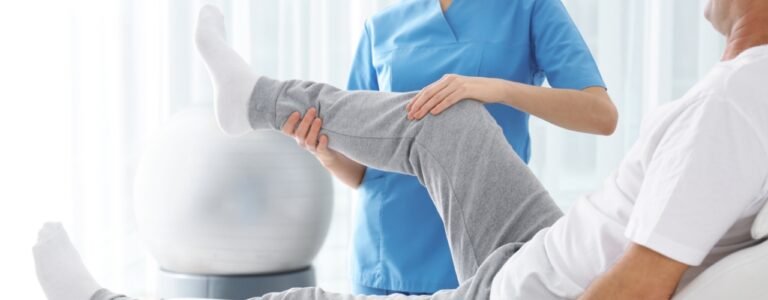
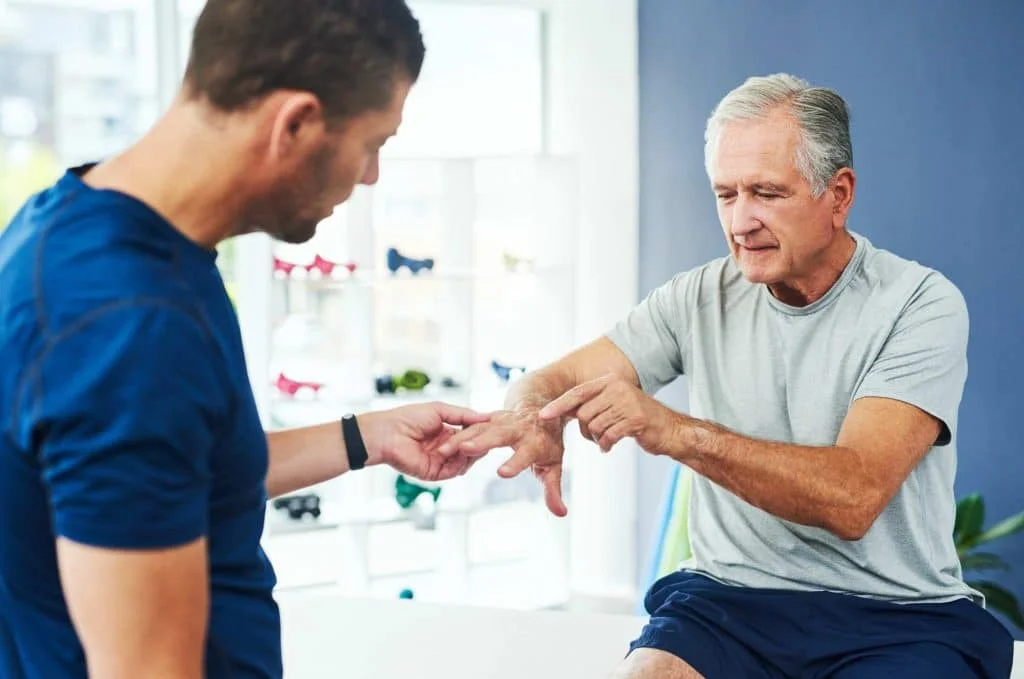
Osteopathy improves joint flexibility and mobility. Osteopaths use gentle manipulative techniques to restore range of motion in stiff joints, such as those affected by osteoarthritis or general wear and tear.
Techniques like joint articulation and mobilization help lubricate joints by stimulating synovial fluid production, which reduces stiffness.
2. Reducing Pain and Discomfort
Osteopathy reduces pain and inflammation. It helps in doing away with the discomfort. Manual therapy can alleviate discomfort from conditions like arthritis, lower back pain, or frozen shoulder by reducing muscle tension and improving blood flow.
It is important to highlight that Osteopathy addresses compensatory patterns like altered gait due to hip pain, which can prevent further joint stress.
3. Enhancing Circulation and Tissue Health
Osteopathy enhances circulation and tissue health. Aging tissues often suffer from reduced blood flow. It leads to slower healing and increased stiffness. Osteopathic techniques improve circulation by delivering nutrients to joints and muscles.
The techniques, like Lymphatic drainage, may reduce swelling in joints, which are common in conditions like rheumatoid arthritis.
4. Supporting Posture and Balance
If you are having posture and balance issues, Osteopathy is an option to consider. It addresses the problem of poor posture, which is common with aging. It can strain joints. Osteopaths assess and correct alignment issues, reducing stress on the spine, hips, and knees.
Osteopathy improves balance through Osteopathic care. It lowers fall risk, which is a significant concern for older adults.
5. Holistic Benefits for Mental and Emotional Health
Osteopathy offers several benefits for mental and emotional health. It considers the whole body therapy addresses not only joints but also related systems such as the nervous system, circulatory system, and more. This can improve energy levels and overall function.
Besides, Osteopathy helps in stress reduction through gentle manipulation. It may indirectly benefit joint health by lowering muscle tension.
Conclusion
There is no denying the fact that aging can challenge physical mobility, mental well-being, and independence due to joint stiffness, pain, and reduced vitality. Osteopathy is a viable option to treat these problems. Osteopathy helps by improving joint flexibility, reducing pain, enhancing circulation, and supporting holistic health.
You don’t have to worry about finding an Osteopath. Just visit Gandhi Nagar, come to Swasthya Shastra, where I, Dr Gaurav Vaid, and my team will ensure you get the best treatment to do away with the joint pain.
For further queries, please reach out to Dr. Gaurav Vaid or Swasthya Shastra.